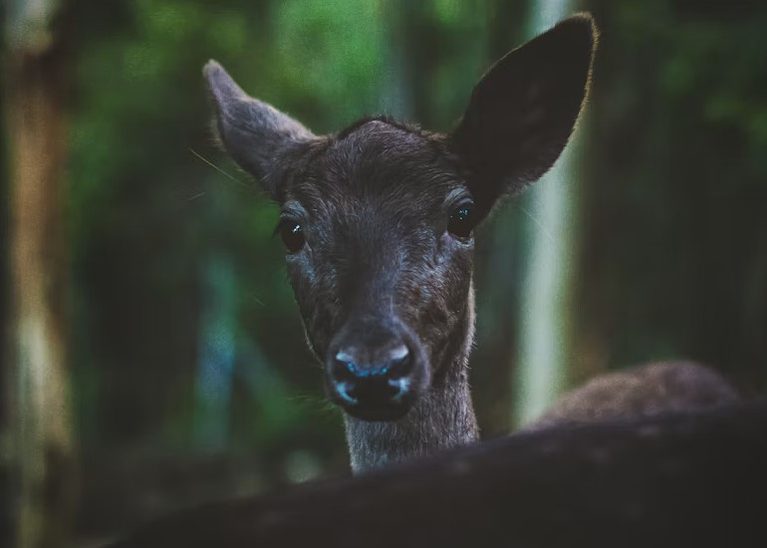
The Most Beautiful Animal in the World: A Guide to Nature’s Showstoppers
Ask a hundred people to name the most beautiful animal in the world and you will get a hundred answers. One person will say the peacock, another the snow leopard, another the family dog asleep on the sofa. Beauty is one of the most personal judgments we make, and nature has produced so many astonishing creatures that crowning a single winner is impossible.

But that does not make the question pointless. Exploring it reveals how animals come to look the way they do, why humans find some of them so captivating, and why so many of the most striking species are also among the most threatened. This guide takes a serious, enjoyable tour of the leading contenders, explains the science behind animal beauty, and looks at what our admiration should lead us to do. A detailed FAQ and conclusion follow at the end.
Can There Be One “Most Beautiful” Animal?
Honestly, no. Beauty is not a property that can be measured with a ruler. It depends on the observer, the culture, and the criteria. Consider how many different things people mean when they call an animal beautiful:
- Color. Birds, butterflies, frogs, and fish that seem to glow.
- Form and grace. The lines of a cheetah in mid-stride or a swan on still water.
- Pattern. The stripes of a tiger, the spots of a leopard, the eyespots on a peacock’s train.
- Expression and charm. The wide eyes of a baby animal or the dignified face of an owl.
- Movement. The ripple of a manta ray or the flight of a hummingbird.
- Rarity and mystery. The sense of wonder attached to a species few people will ever see.
- Symbolism. Animals tied to national identity, myth, or personal memory.
A frog and a leopard are beautiful in completely different ways, and arguing over which is “more” beautiful is like debating whether a symphony is more beautiful than a sunset. A better approach is to appreciate the contenders for what makes each of them remarkable.
Why Do Animals Look Beautiful? The Science
Many of the most beautiful features in nature are not accidents. They evolved for reasons.
Sexual Selection
Charles Darwin was famously unsettled by the peacock’s tail, because such a heavy, conspicuous feature seemed to work against survival. His answer was sexual selection: traits can spread if they help an animal win mates, even if they carry costs. In many species, females prefer males with bright colors, elaborate songs, or impressive displays. Over many generations, those preferences can drive extravagant ornaments. Some scientists argue that elaborate traits advertise health and good genes, since only a strong animal can afford to produce and carry them, though the details remain debated.
Camouflage and Pattern
Not all beauty is for show. The stripes of a tiger break up its outline in tall grass. The spots of a leopard blend into dappled light. The rosettes of a jaguar, the leaf-like body of a katydid, and the patterned coat of a snow leopard are all adaptations that help animals hide. The visual elegance we admire is partly a product of survival.
Warning Colors
Some of the brightest animals are advertising danger. Poison dart frogs, certain sea slugs, and many butterflies and beetles use vivid colors to tell predators that they are toxic or foul-tasting. This is called aposematism. The beauty is a signal, and predators that learn it avoid a bad meal.
Two Kinds of Color: Pigment and Structure
Color in nature comes from two main sources.
- Pigment color results from molecules that absorb some wavelengths of light and reflect others. Many reds, oranges, yellows, and browns come from pigments. Flamingos, for example, get their pink from carotenoid pigments in the algae and small crustaceans they eat. A flamingo fed a diet lacking those pigments will fade.
- Structural color comes from microscopic structures that scatter or interfere with light, producing shimmering, iridescent colors that shift with the viewing angle. Peacock feathers, hummingbird throats, and the wings of blue morpho butterflies get much of their brilliance from structure, not pigment. This is why a peacock’s blue and green can look different as it moves.
Understanding this makes beauty more impressive, because it shows how fine-scale physics produces the glow we admire.
The Baby Schema
Part of why people find some animals adorable has less to do with the animal than with us. Features such as a large head, big round eyes, a small nose, and chubby cheeks trigger caregiving responses in humans, an idea associated with the ethologist Konrad Lorenz. That helps explain why pandas, kittens, puppies, and seal pups seem so appealing, even when they are quite different from one another in other ways.
Culture and Familiarity
Our judgments are shaped by what we are used to. A species that appears in stories, logos, flags, and films often feels beautiful because it is familiar and symbolically rich. People also tend to find animals more beautiful when they know more about them. Learning how a hawk hunts or how a seahorse raises its young often makes the animal seem more beautiful, not less.
The Leading Contenders
These are not rankings. They are some of the animals most often named when people try to answer the question, with notes on what makes each one extraordinary.
The Indian Peafowl (Peacock)
Perhaps the classic answer. The male’s train, made of long feathers with eyespots, is raised and shimmered in courtship displays. Much of its color is structural, which creates blues and greens that seem to change as the bird moves. The Indian peafowl is native to the Indian subcontinent and has long held cultural importance there. It is also widely kept in parks and estates around the world.
Why it wins hearts: the sheer spectacle, and the way the display transforms a large bird into a living fan of light.
The Snow Leopard
Often called the “ghost of the mountains,” the snow leopard lives in the high mountains of Central and South Asia. It has smoky-gray fur marked with dark rosettes, pale eyes, and a long, thick tail that it wraps around itself against the cold. Its thick coat and broad paws help it move across snow and rock. Snow leopards are elusive, which adds to their mystique. The species has been classed as vulnerable by conservation authorities, and habitat loss, prey decline, and conflict with herders remain concerns.
Why it wins hearts: its elegance, camouflage, and the sense of a secret animal in a wild landscape.
The Siberian (Amur) Tiger
The largest of the big cats, the Siberian tiger combines power with a coat of orange and black stripes against a pale winter background. Tigers have long symbolized strength and beauty across Asian cultures. Wild tigers are endangered, and conservation programs in Russia and elsewhere have worked to protect them.
Why it wins hearts: the contrast of overwhelming force and graceful movement.
The Resplendent Quetzal
This Central American bird, with its emerald-green plumage, red breast, and a male’s trailing tail feathers that can be much longer than its body, was sacred to the ancient Maya and Aztecs. Quetzals live in cloud forests, and seeing one is a highlight for many birdwatchers. Habitat loss threatens the species.
Why it wins hearts: color, rarity, and deep cultural meaning.
Birds-of-Paradise
This group of birds, found mainly in New Guinea and nearby islands, includes species with extravagant plumes, ribbons, and elaborate courtship dances. Some males clear a patch of forest floor and perform for watching females. Researchers have reported that certain birds-of-paradise have feathers so black that they absorb more than 99 percent of the light that hits them, which makes surrounding colors on the display stand out dramatically.
Why it wins hearts: they look like creatures from a fantasy, yet they are completely real.
The Blue Morpho Butterfly
Living in the rainforests of Central and South America, this large butterfly has wings that flash electric blue on top and are dull brown on the underside. The blue is largely structural, caused by microscopic ridges on the wing scales. When the butterfly flaps, it appears to flicker between brilliance and camouflage.
Why it wins hearts: the flicker of living light.
The Red-Eyed Tree Frog
Found in the rainforests of Central America, this small frog has bright green skin, blue and yellow flanks, orange feet, and huge red eyes. During the day it sleeps with its limbs tucked in and its eyes shut, blending with leaves. If startled, it opens its eyes to flash red, which may confuse a predator.
Why it wins hearts: its costume-party color scheme and surprisingly innocent expression.
The Mandarin Duck
Native to East Asia, the male mandarin duck is a collage of orange, purple, green, white, and chestnut, topped by tall “sail” feathers on its back. In Chinese and Japanese culture, mandarin ducks are symbols of fidelity and affection.
Why it wins hearts: it looks hand-painted.
The Mandarin Fish
A small, brilliantly colored fish from the western Pacific, with swirling blue, orange, and green patterns that look like psychedelic art. It is admired by marine hobbyists and divers, though it is difficult to keep and wild collection raises conservation concerns.
Why it wins hearts: incredible patterns on a tiny body.
The Flamingo
Standing on one leg in shallow water with flushed pink plumage, flamingos are among the most recognizable birds. Their color comes from pigments in their diet, and large flocks create spectacular scenes of living pink.
Why it wins hearts: color, shape, and group spectacle.
The Clouded Leopard
A medium-sized wild cat of Southeast Asian forests, with a coat marked by large cloud-shaped blotches. It has long canine teeth for its size and a long tail for balance in trees. It is considered vulnerable.
Why it wins hearts: its unique markings and quiet, secretive nature.
The Scarlet Macaw
A large parrot of Central and South American forests, with vivid red, yellow, and blue plumage. Macaws are intelligent, social birds that gather in noisy groups. Wild populations face threats from habitat loss and the illegal pet trade.
Why it wins hearts: the saturated primary colors and clear intelligence.
The Blue Dragon (Glaucus atlanticus)
A tiny sea slug that floats on the ocean’s surface, with a silvery-blue and white body and finger-like extensions. It eats venomous prey such as the Portuguese man o’ war and can store some of its stinging cells for its own defense. Despite its beauty, it can sting, so it should never be handled.
Why it wins hearts: it looks like a miniature mythical creature.
The Axolotl
A salamander native to Mexico, famous for its feathery external gills, wide face, and permanent look of gentle surprise. In the wild it is restricted to the canals and lakes around Mexico City and is critically endangered, even though it is common in captivity.
Why it wins hearts: its smile and otherworldly form.
The Okapi
A forest-dwelling relative of the giraffe from the Democratic Republic of the Congo, with zebra-like stripes on its legs and rump and a chocolate-brown body. It is shy and rarely seen, which made it a late discovery for Western science. It is endangered.
Why it wins hearts: it seems to be assembled from different animals.
The Humpback Whale
A giant of the sea, famous for its songs, breaching leaps, and long pectoral fins. Many people find whales beautiful for their grace, scale, and intelligence.
Why it wins hearts: sheer majesty.
The Arctic Fox
A small fox that changes its coat with the seasons, white in winter and brown or gray in summer, adapted to extreme cold. Its small ears, thick fur, and compact build help it conserve heat.
Why it wins hearts: the pure white coat and gentle look.
The Giant Panda
A bear whose black-and-white pattern is instantly recognizable. Pandas became global symbols of conservation, and decades of work in China have helped improve their status. They are still considered vulnerable.
Why it wins hearts: a combination of baby-schema features and striking contrast.
Domestic Animals
Do not forget the animals we live with. Many people would argue that the most beautiful animal is their own cat curled in a patch of sun or their dog gazing at them from across the room. Domestic animals are not wild contenders, but our relationships with them add an emotional dimension that a distant wildlife photo cannot.
A Quick Comparison
| Animal | Region | What makes it striking | Conservation note |
|---|---|---|---|
| Indian peafowl | South Asia | Structural-color train with eyespots | Widely kept and common in many areas |
| Snow leopard | Central and South Asia | Smoky coat, rosettes, thick tail | Considered vulnerable |
| Siberian tiger | Russia and nearby | Stripes, power, grace | Endangered, with conservation programs |
| Resplendent quetzal | Central America | Emerald plumage, long tail feathers | Threatened by habitat loss |
| Birds-of-paradise | New Guinea region | Extravagant plumes and dances | Varies by species |
| Blue morpho | Central and South America | Structural blue wings | Threatened by deforestation in places |
| Red-eyed tree frog | Central America | Vivid colors, red eyes | Threatened by habitat loss and disease in some areas |
| Axolotl | Mexico | Feathery gills, smile | Critically endangered in the wild |
| Okapi | Congo | Zebra-striped legs, shy | Endangered |
| Giant panda | China | Black-and-white pattern | Considered vulnerable |
Conservation statuses are periodically reassessed, so check current assessments from authorities such as the IUCN for up-to-date information.
The Dark Side of Beauty
Beauty Can Be Dangerous
For many species, being attractive is a liability.
- The wildlife trade. Parrots, reptiles, fish, and other animals are captured or bred for the pet trade, and illegal trade drives declines in some wild populations.
- Fur, feathers, and parts. Historically, plumage and pelts have been valued as fashion items. Some trade continues despite legal protections.
- Habitat destruction. Beautiful rainforest, reef, and mountain species are threatened when their habitats are cleared or warmed.
- Disturbance. Crowds of visitors, drones, and careless photographers can stress wildlife.
The Charisma Bias
Conservation attention is not distributed evenly. Large, attractive animals, often called charismatic megafauna, attract far more funding and public sympathy than small, plain, or unusual-looking species, even when the less glamorous animals are just as threatened or ecologically important. Frogs, fungi, insects, and bats do vital work in ecosystems, and their beauty is just harder to see. Pandas, tigers, and elephants help raise awareness, and protecting their habitats often protects many other species, but it is worth remembering the rest of the web.
“Ugly” Animals Deserve Love Too
Naked mole-rats, blobfish, aye-ayes, and vultures are often called ugly, yet each is remarkably adapted to its niche. Vultures clean ecosystems and reduce disease spread. Bats pollinate and control insects. The idea that beauty determines worth is one conservationists try to counter.
Beauty in Unexpected Places
If you want to widen your sense of animal beauty, look closer at the small and strange.
- Peacock spiders. Tiny Australian jumping spiders whose males perform colorful dances with raised, patterned abdomens.
- Hummingbirds. Feathers that shimmer through structural color, in a body that can hover.
- Nudibranchs. Sea slugs in electric colors that look like glass candy.
- Mantis shrimp. Brilliantly colored crustaceans with remarkable eyes that detect many more color channels than humans do.
- Jellyfish and comb jellies. Translucent, glowing, and pulsing in the dark.
- Beetles. Jewel beetles and scarabs with metallic, iridescent shells.
- Seahorses. Delicate, upright swimmers in which the male carries the young.
- Owls. Silent flight, expressive faces, and enormous eyes.
The more closely you look, the more beauty appears.
Is There a Scientific Way to Pick a Winner?
You could try to design a scoring system: color diversity, symmetry, rarity, grace, cultural significance, and so on. Researchers who study aesthetics do look for patterns in what people prefer. But any scoring system builds in value judgments, and different cultures weigh criteria differently. A better way to think about it is that beauty is a relationship between an animal and an observer, shaped by biology, memory, and meaning.
If you want a practical method to find your own favorite, try this:
- List what moves you most (color, movement, face, pattern, mystery).
- Look at photos and, better, videos of several species.
- Watch live animals if possible, at a sanctuary, zoo, aquarium, or in the wild.
- Learn about their lives. Knowledge often deepens appreciation.
- Notice your reaction. The animal that makes you stop and stare is, for you, the most beautiful.
How to Enjoy Beautiful Animals Responsibly
Choose Ethical Wildlife Experiences
- Visit accredited zoos, sanctuaries, and reserves that prioritize animal welfare and conservation
- Avoid attractions that let you hold, ride, or take selfies with wild animals, since these often involve poor welfare
- Choose guides and operators who follow wildlife-watching rules and keep a safe distance
- Never feed wild animals unless a program is designed for it
Be a Careful Photographer
- Use a long lens instead of approaching
- Do not use flash on nocturnal or sensitive animals
- Never move nests, harass animals for a shot, or bait them
- Follow local rules about drones, which can frighten wildlife
Do Not Buy Wild Animals or Their Products
- Avoid exotic pets taken from the wild
- Do not buy ivory, feathers, shells, or products made from endangered species
- Check that any aquarium or terrarium animal was captive-bred and legally obtained
- Remember that many beautiful animals are unsuited to life in a home
Support Conservation
- Donate to reputable conservation organizations
- Support habitat protection and sustainable products
- Reduce your own environmental footprint
- Report wildlife crime where appropriate
- Participate in citizen science projects, such as bird counts and species logging apps
Create Beauty at Home
- Plant native flowers and shrubs for butterflies, bees, and birds
- Put up bird feeders and nest boxes, and keep cats indoors
- Provide clean water sources
- Reduce pesticide use
- Turn off unnecessary outdoor lights, which disrupt many animals
Beauty and Our Own Pets
Many readers asking this question may be thinking about the animals in their homes. Dogs, cats, birds, fish, and other companion animals each have distinctive appeal, from the soulful look of a Basset Hound to the elegant poise of a Siamese cat. Looks are only part of it. A pet’s beauty often comes from personality, gestures, and shared history.
If you are choosing a pet on appearance, remember that a beautiful coat or an extreme feature can bring health problems. Flat faces, extremely short legs, folded ears, and very small sizes in some breeds are associated with welfare concerns. A healthy, well-cared-for animal is more beautiful in every sense than one whose looks come at the cost of comfort.
Frequently Asked Questions
1. What is the most beautiful animal in the world?
There is no objective answer, since beauty is subjective. Commonly cited favorites include the peacock, snow leopard, tiger, resplendent quetzal, birds-of-paradise, blue morpho butterfly, and red-eyed tree frog. The best answer is the one that moves you.
2. What is the most beautiful bird?
Popular choices include the peacock, resplendent quetzal, birds-of-paradise, scarlet macaw, flamingo, mandarin duck, and various hummingbirds. Different birds are admired for color, plumage, display, or form.
3. What is the most beautiful big cat?
The snow leopard, tiger, and clouded leopard are frequent favorites, along with the jaguar and leopard. The snow leopard is often chosen for its soft, patterned coat and mysterious reputation.
4. What is the most colorful animal?
Many contenders exist, including the mandarin fish, peacock, scarlet macaw, blue morpho butterfly, red-eyed tree frog, and many reef fish and nudibranchs. Some of the most colorful animals are small and easily overlooked.
5. Why are some animals so colorful?
Reasons include attracting mates, warning predators of toxins, camouflage in colorful settings, and communicating with others of the same species. Color comes from pigments, from microscopic structures that manipulate light, or from a combination of both.
6. Are the most beautiful animals endangered?
Many are, but not all. Some, such as snow leopards, tigers, quetzals, axolotls, and okapis, face serious conservation concerns. Others, such as peafowl, are common in many places. Check current assessments from conservation authorities.
7. What is the most beautiful sea creature?
Candidates include manta rays, humpback whales, seahorses, mandarin fish, blue dragons, nudibranchs, and jellyfish. The ocean contains many forms that look unlike anything on land.
8. What is the most beautiful insect?
The blue morpho butterfly, jewel beetles, and many moths and dragonflies are widely admired. Insects often hide extraordinary color and pattern that is best seen up close.
9. Do animals know they are beautiful?
No. Animals do not have human aesthetic concepts, though many animals have preferences for certain colors, displays, and traits in potential mates. Our idea of beauty is a human interpretation.
10. Is the peacock the most beautiful animal?
It is one of the most frequently named, and for good reason, since the male’s train combines color, pattern, and dramatic display. Whether it is “the most” beautiful depends on personal taste.
11. Why do humans find baby animals so cute?
Features such as a large head, big eyes, and a small nose trigger caregiving responses, a phenomenon often called the baby schema. This helps explain why pandas, kittens, and puppies seem so appealing.
12. Are “ugly” animals less important?
No. Animals that look unusual or unattractive to humans often play vital roles in ecosystems and deserve protection. Conservation efforts increasingly try to include less charismatic species.
13. Can I keep a beautiful wild animal as a pet?
Generally you should not. Many wild animals are unsuited to captivity, can be dangerous, and may be illegal to keep. Wild-caught exotic pets also contribute to declines in wild populations. If you want a pet, choose a domestic species from a responsible source or adopt from a shelter.
14. How can I see beautiful animals in the wild responsibly?
Use reputable guides, keep a respectful distance, follow local rules, avoid feeding or disturbing wildlife, and choose accredited reserves and operators. Support conservation through your travel spending.
Conclusion
The most beautiful animal in the world does not exist as a single answer. It exists as a long, shifting list: the peacock’s shimmering train, the snow leopard’s smoky coat, the quetzal’s emerald flash, the flamingo’s flush of pink, the blue morpho’s flickering wings, the red-eyed tree frog’s startled stare, the axolotl’s gentle smile. Each reflects millions of years of evolution, shaped by mates, predators, climate, and chance.
Understanding the science behind that beauty makes it richer. Colors are produced by pigments and by microscopic architecture. Patterns hide animals as often as they advertise them. Even the features we find cute or charming have deep roots in biology and in our own psychology.
Yet admiration should not end with applause. Many of the animals we call most beautiful are among the most threatened, and beauty itself can put them at risk through trade, disturbance, and habitat loss. The best response to an animal’s beauty is to protect the places it lives, choose ethical ways to see it, support conservation, and extend that appreciation to the quieter, less glamorous species that hold ecosystems together.
So choose your favorite, whether it is a bird of paradise in a New Guinea forest or a sleeping cat on your windowsill. Then do something for it. A world full of beautiful animals is not only something to admire. It is something to keep.