Van Cat: The Complete Guide to the Turkish Van, the Van Pattern, and the Famous Swimming Cat
Few cats are as unusual as the Van cat. It has a bright white body, colored markings only on the head and tail, eyes that can be amber, blue, or one of each, and a love of water that most cats find baffling. Owners of Van cats tell stories of pets that splash in sinks, dunk toys in bowls, and join the family in the shallow end of the pool.
“Van cat” can mean a few related things: the Turkish Van breed, the van coat pattern that appears in many cats, and the all-white Van cat of Turkey. This guide sorts out the terms, then covers the breed’s history, appearance, temperament, care, health, and costs. It also explains how to find a healthy Van cat responsibly. A detailed FAQ and conclusion follow at the end.
What Does “Van Cat” Mean?
The Turkish Van
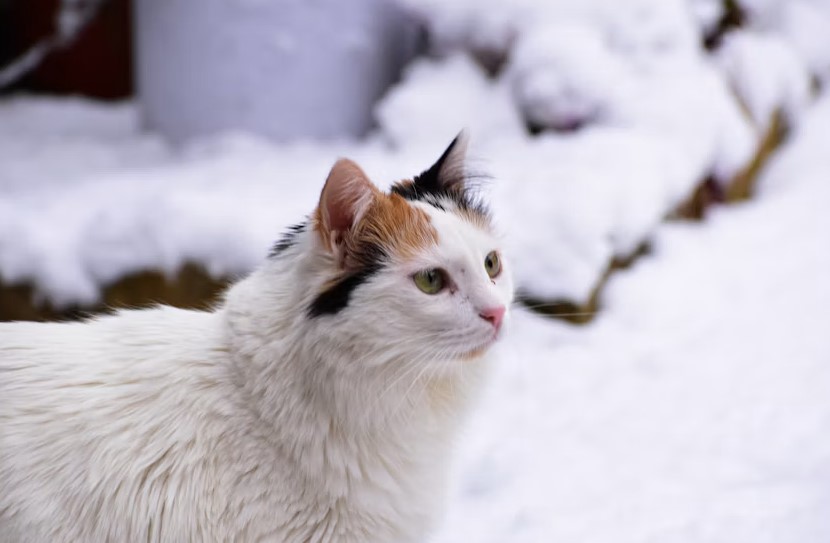
The Turkish Van is a pedigreed breed named after Lake Van in eastern Turkey. It is a large, semi-longhaired, muscular cat with a mostly white body and colored markings on the head and tail. This is the breed most people mean when they say “Van cat.”
The Van Pattern
“Van” is also a name for a coat pattern: a white cat with color limited to the head and tail, and sometimes a few small spots on the body. The pattern is produced by a very strong expression of the white spotting gene. Any cat can show a van pattern, including random-bred cats and many pedigreed breeds. A cat with the van pattern is not necessarily a Turkish Van.
The Van Cat of Turkey (Van Kedisi)
In Turkey, the name Van kedisi is often applied to an all-white cat from the Lake Van region, typically with one blue and one amber eye. Turkey treats this cat as a national treasure, and conservation and breeding efforts have focused on it. Western cat registries recognize the Turkish Van as a different, patterned cat, so the two are related but not identical.
Why It Matters
If a seller advertises a “Van cat,” ask what they mean. A purebred Turkish Van with pedigree papers, a cat with the van pattern from random breeding, and a white Turkish cat with odd eyes are three different things, with different prices and expectations.
History of the Turkish Van
Origins Around Lake Van
The Turkish Van is considered a natural breed that developed in the region around Lake Van, a large soda lake in eastern Turkey, in a harsh climate with hot summers and cold winters. Local conditions probably favored cats with water-resistant coats, strong bodies, and the ability to cope with extreme temperature swings. The love of water that distinguishes the breed may have been useful in a hot climate.
Legends
Several romantic stories are attached to the breed. One says Van cats came off Noah’s Ark and settled near Mount Ararat. Another suggests they came with ancient travelers or Crusaders. These are folklore, and the breed’s true early history is poorly documented. What is clear is that cats resembling the Van have lived in the region for a very long time.
Arrival in Britain
The modern breed in the West traces to the 1950s. Two British women, Laura Lushington and Sonia Halliday, brought kittens from Turkey to the United Kingdom in 1955 and began breeding them. Lushington is often credited with developing the breed and giving the name “Turkish Van.” The cats gained recognition in Britain and later in other countries, and they reached North America in the 1970s.
The “Vankedisi” Conservation Story
Turkey’s Van Cat Research and Application Center, associated with a local university, has long maintained a breeding program for white, odd-eyed Van cats. These efforts aim to preserve the local type, and the cats are a point of regional pride. Details about the program and the cat’s status can change, so check recent sources if you want current information.
Breed Snapshot
- Weight: Males commonly about 12 to 20 pounds, females about 10 to 14 pounds
- Lifespan: Often 12 to 17 years
- Coat: Semi-longhaired, silky, and water-resistant, with little undercoat
- Pattern: Mostly white with color on the head and tail (the classic “van”)
- Eyes: Amber, blue, or odd-eyed
- Temperament: Energetic, intelligent, playful, affectionate on its own terms
- Maturity: Slow, often taking three to five years to reach full size
Appearance
Size and Build
Turkish Vans are large, strong cats with long, muscular bodies, broad chests, and powerful legs. Despite their size, they are agile and athletic. They mature slowly, so a young Van may look lanky for a long time.
The Van Pattern
The signature look is a chalk-white body with colored markings on the head, usually with white between the ears (a “thumbprint” or blaze) and a colored tail. The classic colors are auburn (a rich red) and cream, and black, blue, and tortoiseshell variations also occur in some registries. Small colored spots on the body, called “Mark of Van” or “thumbprints” in some descriptions, can appear and are often accepted at a low level.
Different registries have their own standards for how much color is allowed, and patterns that do not meet the standard may be classed differently, even though the cat is a purebred Turkish Van.
Coat
The coat is semi-long, soft, and silky, with a texture often compared to cashmere. It has little or no woolly undercoat, which makes it less prone to matting than many long-haired breeds. The coat is water-resistant, so a swimming Van often emerges relatively dry. Coat length varies with season, and cats typically have a thicker winter coat and a thinner summer coat, with a heavy seasonal shed.
Tail
The tail is long, full, and plumed, often with faint rings. The color on the tail matches the head markings.
Eyes
Eyes can be amber, blue, or one of each (odd-eyed). Odd eyes are a striking trait associated with the breed. The pink nose, paw pads, and eye rims add to the distinctive look.
Ears
Ears are large, set fairly high, and well furred inside.
Temperament and Personality
Water Lovers
The most famous trait is a fascination with water. Many Vans enjoy splashing in sinks and bowls, playing in running water, and even swimming, which earned the breed the nickname “swimming cat.” Not every individual loves water, but the trait is common enough to be a hallmark. If you do not want a wet bathroom, a Van may not be your cat.
Energetic and Athletic
Vans are active, powerful jumpers and climbers. They like high perches, shelves, and the tops of refrigerators. Expect them to explore every corner of your home.
Intelligent and Curious
They learn quickly, solve puzzles, and are good at figuring out doors and cabinets. A bored Van can be mischievous.
Playful for Life
Many Vans stay kittenish well into adulthood. They enjoy chasing toys, wrestling, and fetch.
Affectionate, but Independent
Vans usually bond strongly with their families, but they often prefer to be near rather than held. Many dislike being picked up or restrained, and some are one-person cats. They tend to express affection on their own schedule.
Social
Most Vans do well with people who give them attention, and many enjoy company from other pets. They can be demanding if ignored.
Vocal
Vans are not usually loud, but many chirp, trill, and talk. Some are more vocal than others.
Strong-Willed
Vans know what they want. Training works best with patience and positive reinforcement.
Temperament Varies
Individual personality depends on genetics, socialization, and environment. Spending time with a cat and its parents gives the clearest idea of what you will get.
Is a Van Cat Right for You?
A Good Fit If You:
- Want an active, engaging, intelligent cat
- Have space for climbing and play
- Can tolerate a water-loving cat
- Are home often or can provide company
- Enjoy interactive play and are ready for a cat that has opinions
- Are prepared for seasonal shedding and moderate grooming
Think Twice If You:
- Want a calm, lap-oriented cat
- Dislike jumping on counters and shelves
- Are away from home for long hours
- Cannot tolerate water play, splashing, or open toilets
- Have very young children who may handle a cat roughly
- Live in a small space with no vertical territory
Choosing a Van Cat
Finding a Responsible Breeder
Turkish Vans are uncommon in many countries, so finding a breeder may take time. A responsible breeder will:
- Be registered with a recognized organization and provide verifiable pedigree papers
- Health-test breeding cats, including heart screening, and share results
- Raise kittens in a clean, social home
- Let you meet the mother and see living conditions
- Provide vaccination and deworming records and a written contract
- Ask you questions about your home and experience
- Keep kittens until at least 12 weeks in many cases
- Take the cat back if you cannot keep it
Red Flags
- Sellers who advertise “rare Van cats” without registration
- Charging extra for unusual eye color or coat pattern alone
- Pressure to pay quickly
- Refusal to allow visits or video calls
- Several breeds available at once
- No health testing or records
- Kittens that look thin, unwell, or live in dirty conditions
- Prices that seem too low
Costs
Purebred Turkish Van kittens from health-tested parents commonly cost hundreds to a few thousand dollars, depending on region and breeder. Waiting lists are common. Ongoing costs include food, litter, grooming, veterinary care, insurance, and emergencies.
Rescue and Adoption
Turkish Vans and Van-pattern cats do appear in shelters and breed-specific rescues. Many shelter cats with the van pattern are random-bred. Adoption fees are lower, cats are often vaccinated, microchipped, and neutered, and staff can describe each cat’s temperament. If you love the look but are not set on a pedigree, a van-patterned shelter cat can be a wonderful choice.
Is It Really a Turkish Van?
Shelters and sellers sometimes use “Turkish Van” loosely for any white cat with colored head and tail. Without papers or DNA testing, a cat with the van pattern is best described as a van-patterned domestic cat. That does not make it any less lovable, but it does matter for price and health expectations.
Preparing Your Home
Vertical Space
Vans are climbers.
- Provide tall, sturdy cat trees
- Install wall shelves and perches
- Offer window seats
- Create safe routes along furniture so the cat does not use breakables as stepping stones
Water Features
Since many Vans love water, set up safe water play:
- A shallow pan or kiddie pool for supervised splashing
- A pet fountain
- Waterproof mats under bowls
- Closed toilet lids and secured bathtub plugs
Supervise any significant water play, and never leave a cat unattended in deep water.
Cat-Proofing
- Secure cabinets and drawers with child-proof latches
- Remove toxic plants, especially lilies
- Hide cords and small objects
- Block access to gaps behind appliances
- Close window screens and balcony doors
Supplies
- A large, uncovered litter box
- Several scratching posts
- A sturdy carrier
- Interactive toys, wand toys, balls, and puzzle feeders
- A soft brush and comb
- Nail clippers and cat toothpaste
- A harness and leash for supervised outdoor time
Feeding Your Van Cat
Nutrition Basics
Cats are obligate carnivores and need a complete and balanced diet rich in animal protein. Choose a food suited to age, activity, and health, and ask your vet for recommendations.
Meal Tips
- Measure portions. Large, active cats can still gain weight.
- Offer wet food. It supports hydration and urinary health.
- Provide fresh water, and consider a fountain, which many Vans will love.
- Use puzzle feeders to engage the mind.
- Avoid toxic foods: onions, garlic, chocolate, grapes, raisins, alcohol, caffeine, and anything with xylitol.
- Use treats sparingly.
- Adjust by life stage. Kittens, adults, and seniors have different needs.
Because Vans mature slowly, ask your vet when to transition from kitten to adult food.
Grooming and Care
Coat Care
The silky, single-layered coat mats less than many long coats, but it still needs attention.
- Brush two to three times a week with a wide-toothed comb and soft brush
- Brush more often during seasonal sheds, typically spring
- Check for tangles behind the ears, under the legs, and around the tail
- Bathe rarely. Vans often tolerate baths better than other cats, but over-bathing dries the skin
White Coat Considerations
White fur shows dirt and stains more easily. Wipe the face gently if tear stains develop, and groom regularly. Pale skin and white ears can be vulnerable to sun damage.
Sun Protection
Cats with white coats and pink noses or ears have a higher risk of sun damage and certain skin cancers. If your cat basks in sunny windows, limit exposure during intense hours, provide shade, and ask your vet about protection. Watch for scabs, sores, or changes on the ears and nose that do not heal.
Other Care
- Nails: trim every few weeks
- Teeth: brush regularly with cat-safe toothpaste
- Ears: check for dirt, odor, or redness
- Eyes: wipe small amounts of discharge with a damp cloth
Health Considerations
Turkish Vans are generally considered a robust natural breed, but they have specific risks, and the population is small in many regions.
Deafness in White Cats
Some white cats, especially those with blue eyes, can be born deaf or partly deaf, due to a link between the genes for white coat and inner-ear development. The risk applies to white cats in general, and Vans with blue or odd eyes may be affected. Deaf cats can live happy lives with some adjustments, such as keeping them indoors, using visual cues, and approaching gently. Ask breeders whether kittens have been hearing tested.
Hypertrophic Cardiomyopathy (HCM)
HCM, a thickening of the heart muscle, is the most common heart disease in cats and has been reported in many breeds. Responsible breeders screen breeding cats with heart ultrasounds. Signs of heart disease can include rapid or labored breathing, lethargy, collapse, or sudden hind-leg weakness caused by a blood clot, which is an emergency.
Sun-Related Skin Problems
As noted, white ears and noses are vulnerable to sunburn and related skin disease.
Dental Disease
Common in all cats and preventable with brushing and cleanings.
Obesity and Diabetes
Excess weight raises the risk of diabetes and joint problems. Active play and measured meals help.
Urinary Tract Problems
Straining, frequent litter box trips, crying, or blood in the urine can be an emergency, especially in male cats.
Inherited Conditions
As with any small breed population, a narrow gene pool can concentrate inherited problems. Ask breeders about health testing and family history.
Lifespan
Most Turkish Vans live about 12 to 17 years with good care. Indoor cats generally live longer than outdoor cats.
Preventive Care
- Annual veterinary exams, and twice yearly for seniors
- Core vaccinations as your vet recommends
- Parasite prevention
- Spay or neuter at the age your vet advises
- Microchipping
- Dental care
- Pet insurance or an emergency fund
Exercise and Enrichment
Play
Vans need vigorous daily play. Plan at least two sessions of 15 to 20 minutes with wand toys, balls, and chasing games. End sessions by letting your cat “catch” something.
Climbing and Exploring
Provide tall trees, shelves, and perches. Rotate toys to keep things interesting.
Mental Stimulation
- Puzzle feeders and treat-dispensing toys
- Clicker training
- Fetch games
- Safe outdoor access via a catio or harness
Water Play
Offer supervised water play in a shallow pan or a bathtub with a few inches of water, and plenty of toys that float.
Companionship
Vans enjoy company, whether from people or another cat or cat-friendly dog. If you are away much of the day, consider a second pet and plenty of enrichment.
Training and Behavior
Positive Reinforcement
Vans are smart and independent. Reward-based training with treats and play works best. Harsh punishment damages trust.
Teach Useful Skills
- Come when called
- Sit and wait
- Fetch
- Go into a carrier
- Walk on a harness
- Use scratching posts
Common Challenges
Counter climbing. Provide higher, more attractive perches, and keep counters free of food.
Destructive behavior. Usually boredom or too little play. More enrichment helps.
Water mischief. Use bowl mats and secure toilet lids.
Nighttime activity. A vigorous evening play session followed by a meal helps cats settle.
Handling resistance. Many Vans dislike being held. Respect their boundaries, and build trust gradually.
Living With Children and Other Pets
Children
Vans can be great playmates for older, respectful children who enjoy interactive play. Teach children not to grab, carry, or corner the cat, and provide quiet retreats. Supervise young children.
Other Cats and Dogs
Many Vans get along well with other cats and cat-friendly dogs, especially when introduced young. Introduce slowly and supervise.
Small Pets
As natural hunters, Vans may chase birds, rodents, and fish. Keep small pets securely separated, and do not leave a fish tank open if your Van loves water.
Outdoor Access and Safety
Indoor living is safest. If you want your Van to enjoy outdoors, consider:
- A catio or enclosed outdoor space
- A harness and leash with careful training
- A secure yard with cat-proof fencing
Free-roaming cats face traffic, disease, predators, and theft, and white cats are conspicuous. A microchip and ID tag are essential.
Common Mistakes With Van Cats
- Assuming every van-patterned cat is a Turkish Van. Check papers.
- Ignoring sun protection. White skin and fur burn.
- Skipping hearing awareness. Some white cats are deaf.
- Underestimating energy. Vans need serious play.
- Expecting a lap cat. Many prefer independence.
- Neglecting water safety. Supervise water play.
- Buying from unverified sellers. Rare breeds attract scams.
- Skipping heart screening. Ask about HCM testing.
- Overfeeding. Even active cats gain weight.
- Leaving the cat alone too long. Loneliness leads to mischief.
Frequently Asked Questions
1. What is a Van cat?
A Van cat usually means the Turkish Van, a pedigreed breed from the Lake Van region of Turkey with a white body and colored markings on the head and tail. The term can also refer to the van coat pattern, or to Turkey’s all-white Van cat.
2. Do Van cats really like water?
Many do. The Turkish Van is nicknamed the “swimming cat,” and many individuals enjoy splashing, playing in running water, and even swimming. Not every cat does, but the trait is common in the breed.
3. How big do Turkish Vans get?
Males commonly weigh about 12 to 20 pounds and females about 10 to 14 pounds. They mature slowly, often taking three to five years to reach full size.
4. What is the van pattern?
It is a coat pattern in which a cat is mostly white, with color limited to the head and tail. It results from a very strong expression of the white spotting gene and can appear in any breed or random-bred cat.
5. Are Van cats deaf?
Not all of them, but white cats, especially those with blue eyes, have a higher chance of deafness. Ask breeders about hearing tests, and have your vet check a kitten’s hearing.
6. Are Van cats good family pets?
Often yes. They are playful, intelligent, and affectionate on their own terms. They suit active families who respect the cat’s independence and can provide play, climbing space, and company.
7. Do Van cats shed a lot?
They shed seasonally, with a heavy spring shed. Because the coat lacks a dense undercoat, it mats less than many long coats, but regular brushing helps.
8. How long do Turkish Vans live?
Often 12 to 17 years. Indoor living, healthy weight, dental care, heart screening, and regular veterinary visits support a long life.
9. Are Turkish Vans rare?
In many countries, yes. Breeders are few, waiting lists are common, and the breed is uncommon outside Turkey, the UK, and parts of Europe and North America. Verify rarity claims and registration.
10. How much does a Turkish Van cost?
Prices vary by region and breeder, but kittens from health-tested parents often cost hundreds to a few thousand dollars. Adoption is usually cheaper. Budget for ongoing care.
11. Do Van cats need special grooming?
Moderate. Brush two to three times a week, more during sheds, and check for tangles. Protect white skin from sun, and keep the coat clean.
12. Can Van cats live in apartments?
Yes, if they have vertical space, daily play, and company. They are active and need enrichment, so a cramped, bare apartment is not ideal.
13. Is every white cat with a colored tail a Turkish Van?
No. Many random-bred cats have the van pattern. A true Turkish Van has pedigree papers from a recognized registry and shows breed type, such as a strong, long body and semi-longhaired silky coat.
14. Do Van cats get along with other pets?
Often, especially when introduced young. They may chase small animals, so keep birds, rodents, and fish secure.
Conclusion
The Van cat is one of the most distinctive felines you can share a home with. Its white coat with colored head and tail, its sometimes odd-colored eyes, and its famous love of water make it unforgettable. Behind the looks is a smart, athletic, strong-willed cat that bonds with its family, demands engagement, and brings mischief and joy in equal parts.
Choosing a Van, though, takes research. Understand the difference between a Turkish Van, a van-patterned cat, and the Turkish all-white Van cat. Look for a breeder who health-tests, screens for heart disease, and offers verifiable pedigrees, or consider adopting a van-patterned cat in need of a home. Protect white skin from sun, be aware of the possibility of deafness, and give your cat plenty of climbing space, play, and company.
Give your Van cat good food, vigorous play, regular veterinary care, and a safe place to splash, and you will have a spirited companion who greets every day with curiosity, and perhaps a paw in the water bowl, for many years to come.