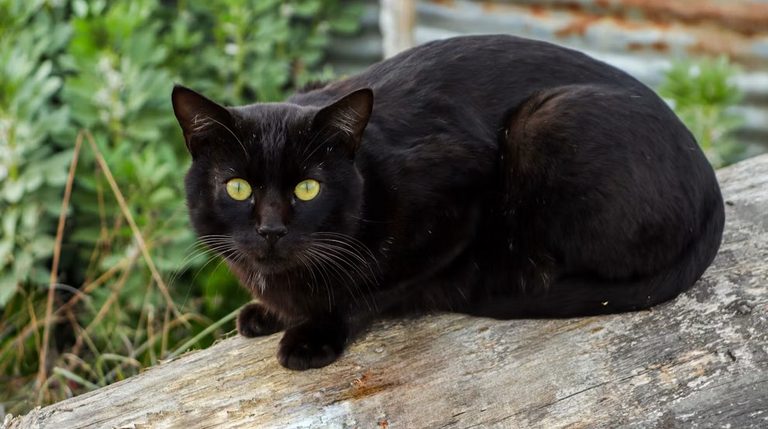
Chausie Cat: The Complete Guide to the Jungle Cat Hybrid
Few domestic cats look as wild as the Chausie. Tall, lean, and long-legged, with large ears, a ticked coat that glints like a wild animal’s, and an athletic stride, the Chausie looks like a small cougar that wandered into the living room. That look is no accident. The breed descends from crosses between domestic cats and the jungle cat, a small wild species found across parts of Africa, the Middle East, and Asia.
But a wild look comes with real demands. Chausies are intelligent, powerful, and extremely energetic, and they are not suitable for every home. This guide covers the breed’s origins, appearance, temperament, generations and legality, care, feeding, health, and costs. It also explains how to find a responsible breeder and who should think twice. A detailed FAQ and conclusion follow at the end.

What Is a Chausie?
The Chausie (pronounced “chow-see”) is a hybrid-derived cat breed. The name comes from Felis chaus, the scientific name of the jungle cat. Despite the name, jungle cats do not live in true jungles. They favor wetlands, reed beds, scrub, and grassland, and they are found from Egypt and the Middle East across South Asia to Southeast Asia.
Chausies are not wild animals. Breeders have crossed jungle cats with domestic cats, then bred the offspring with domestic cats over many generations to produce a cat that keeps the wild look but is increasingly domestic in temperament. Later-generation Chausies are typically much more manageable than early ones, though they remain more demanding than ordinary house cats.
History of the Chausie
Jungle cats have occasionally interbred with domestic cats in the wild, particularly in Egypt and other regions where their ranges overlap with villages. Such naturally occurring hybrids were noted over the years, and some were taken in by people who found them striking.
The modern breed took shape in the United States in the 1990s. Breeders began working with the offspring of jungle cat and domestic cat pairings, using domestic breeds such as the Abyssinian to help stabilize the ticked coat and temperament. The aim was a cat with a wild look and an animal that could live as a pet. The breed was accepted for registration by The International Cat Association (TICA) in the 1990s and later advanced in status. Other registries have treated it differently, and recognition varies by organization.
Because the breed is relatively new and uses a wild ancestor, breeding programs are small, and the number of Chausies worldwide is limited.
Understanding Generations: F1 to SBT
Hybrid cats are described by filial generation, written with an F and a number. This matters enormously for temperament, size, price, and legal status.
- F1: A direct cross between a jungle cat and a domestic cat. One parent is wild. These are the most wild and, typically, the most challenging.
- F2: The offspring of an F1 parent and a domestic or later-generation parent. About a quarter of the genes come from the jungle cat.
- F3: Further removed, with a smaller share of wild ancestry.
- F4 and beyond: Increasingly domestic.
- SBT (Stud Book Tradition): A cat with at least three generations of documented Chausie ancestry on both sides. SBT cats are considered the most established and are generally the most stable and suitable as pets.
Early generations can have strong instincts, intense energy, difficulty with litter habits, and a tendency to be shy or aggressive. SBT Chausies are far more predictable, though they still keep a lot of the breed’s energy and intelligence.
Do not assume that a later generation guarantees a perfect pet, or that an early generation is a bargain. Individual temperament varies, and early-generation cats are best left to experienced hybrid keepers.
Is a Chausie Legal Where You Live?
Laws on hybrid cats vary widely and change over time. Rules may apply at the national, state or provincial, county, and city levels. Some places:
- Ban hybrid cats entirely
- Restrict early generations (for example, F1 through F3 or F4) while allowing later ones
- Require permits, inspections, or registration
- Place no special limits on later-generation cats
Rental agreements and insurance policies may add their own rules. Before you consider a Chausie, check current local regulations and speak with the relevant authority. A reputable breeder should know the rules for your area and will not sell you a cat you are not allowed to keep. If a seller says it is “fine” without checking, be cautious.
Appearance
Size and Build
Chausies are among the larger domestic breeds. Adult males commonly weigh around 15 to 25 pounds, while females are often somewhat smaller, though weights vary by generation and individual. The body is tall, lean, and muscular, with long legs and a deep chest. The impression is of an athlete: elegant but powerful.
Coat and Colors
The coat is short, dense, and close-lying. Recognized colors are generally limited to three:
- Black: Solid black, sometimes with a faint ghost pattern in some light
- Black grizzled tabby (also called black ticked tabby): A black coat with silver-gray ticking that gives a frosted, shimmering look
- Brown ticked tabby: A warm brown coat with darker ticking
The ticked pattern means each hair has bands of color, which creates a soft, glowing effect. There are no bold stripes on the body, though faint markings may appear on the legs and tail.
Head, Ears, and Eyes
The head is relatively small for the body, with a long, slightly rounded muzzle and high cheekbones. The ears are large, tall, and set high on the head, and many have small tufts, sometimes called lynx tips, at the tops. The eyes are typically gold or yellow, sometimes green-tinged, and expressive.
Tail
The tail is relatively short compared with many cats, often reaching to about the hock, and it may have dark rings and a dark tip.
Growth
Chausies mature slowly. They may not reach full size and muscle development until two to four years of age.
Temperament and Personality
Energetic and Athletic
If you want a calm lap cat, the Chausie is not it. These cats run, leap, climb, and explore constantly. Many can jump to astonishing heights, and nothing is safe on a high shelf. A bored Chausie can be destructive.
Intelligent and Curious
Chausies are quick learners and problem solvers. They open doors, cabinets, and refrigerators, and they can learn tricks, fetch, and even leash walking with patient training. Their intelligence is a gift for an engaged owner and a headache for a neglectful one.
Social, Within Limits
Many Chausies are affectionate and form strong bonds with their families, often following people around and joining in daily activities. Some enjoy cuddling on their terms. Others are more independent. Many do not like being handled in ways they have not chosen.
Vocal and Expressive
Chausies often chirp, trill, and chatter, though many are not loud meowers.
Strong Prey Drive
Chausies are natural hunters. Small pets such as birds, rodents, rabbits, and reptiles are at risk, and they may stalk or chase anything that moves. Free-roaming Chausies can be a danger to local wildlife.
Water Lovers
Jungle cats are good swimmers, and many Chausies love water. Expect splashing in bowls, sinks, and bathtubs, and keep toilet lids down.
Sensitive to Change
Some Chausies are cautious around strangers and unfamiliar situations. Early, positive socialization helps, but individual temperament varies.
Is a Chausie Right for You?
A Good Fit If You:
- Are experienced with active, intelligent cats
- Have time for daily, vigorous play and interaction
- Can provide a large, enriched living space with climbing options
- Are home often or can offer companionship
- Have no small pets that could be seen as prey
- Have confirmed that the breed is legal in your area
- Can budget for a high purchase price and specialist care
Think Twice If You:
- Want a calm, low-maintenance cat
- Live in a small apartment without room to climb and run
- Have birds, rodents, rabbits, or small dogs
- Have young children who may handle a powerful cat roughly
- Are away from home for long hours daily
- Are a first-time cat owner without support
- Live where hybrid cats are restricted
Finding a Chausie
Choosing a Responsible Breeder
Because Chausies are rare and involve a wild species, buyer beware applies strongly. A responsible breeder will:
- Be registered with a recognized organization such as TICA and provide pedigree papers you can verify
- Be open about each kitten’s generation and about the parents’ histories
- Health-test breeding cats and share results
- Raise kittens in a clean, social home environment with plenty of handling
- Let you meet the mother and, if possible, the father
- Keep kittens until they are fully weaned and settled, often 12 weeks or more
- Provide vaccination records and a written contract
- Ask you detailed questions about your home, experience, and plans
- Know local laws and tell you honestly if a cat is not allowed where you live
- Take the cat back if you cannot keep it
Red Flags
- Sellers who advertise “rare exotic cats” without registration
- Claims of “F1 pets” with no discussion of care or legality
- Pressure to pay a deposit quickly
- Refusal to allow visits or video calls
- Several breeds or species for sale at once
- No health testing or records
- Offers to ship a kitten without meeting you
- Unusually low prices
Costs
Chausies are expensive. Well-bred kittens commonly cost several thousand dollars, with early generations often costing considerably more. Prices vary by region, generation, and breeder. Ongoing costs are also higher than for an average cat, including premium food, secure enclosures, and specialist veterinary care.
Adoption and Rescue
Chausies and Chausie mixes occasionally appear in rescues, often because owners underestimated their needs. Breed-specific or exotic-cat rescues may be a good source. Be honest about your experience, and ask about the cat’s history, temperament, and any behavioral concerns.
Preparing Your Home
Space and Vertical Territory
Chausies need room to run and climb. Provide:
- Tall, very sturdy cat trees. Heavy, stable models that will not tip when a 20-pound athlete launches off them
- Wall shelves and perches at various heights
- A secure catio or enclosed outdoor area, if possible
- Open floor space for chasing and play
Cat-Proofing
- Secure cabinets, drawers, and appliances with child-proof latches, since many Chausies learn to open them
- Keep toilet lids closed
- Remove breakables from shelves
- Secure windows and balconies
- Block access to small gaps and ducts
- Store food, medications, and chemicals out of reach
Supplies
- A large litter box, uncovered, with low sides
- Multiple scratching posts and sturdy scratching surfaces
- A large, strong carrier
- Interactive toys, wand toys, balls, tunnels, and puzzle feeders
- A well-fitted harness and leash, if you plan to train for outdoor walks
- Heavy, stable food and water bowls
Escape Prevention
Chausies are strong, fast, and skilled at slipping out of open doors. Use door management routines and microchip your cat. Never let a Chausie roam free.
Feeding Your Chausie
Nutrition
Cats are obligate carnivores and need a diet rich in animal protein. Active, muscular cats like the Chausie often do well on high-quality, high-protein food. Some owners feed raw or home-prepared diets, but these require careful formulation and handling, since unbalanced or contaminated food can cause serious illness. Discuss any diet choice with a veterinarian.
Feeding Tips
- Feed a complete and balanced diet suited to age and activity
- Measure portions and adjust to maintain a lean, muscular body
- Offer wet food to support hydration and urinary health
- Use puzzle feeders to engage the mind
- Provide fresh water and consider a fountain
- Avoid toxic foods, including onions, garlic, chocolate, grapes, raisins, alcohol, and anything with xylitol
Weight
Despite their activity, Chausies can gain weight if overfed or underexercised. Check body condition regularly, and ask your vet for guidance.
Exercise and Enrichment
Daily Play
Plan at least two or three active play sessions per day, each 15 to 20 minutes or longer. Wand toys, balls, tunnels, and fetch games let the cat run, leap, and hunt. End sessions by letting your cat “catch” something, then feed a meal to satisfy the natural hunting cycle.
Change block type or style
Move Heading block from position 79 up to position 78
Move Heading block from position 79 down to position 80
Change alignment
Change text alignment
Displays more block tools
Mental Stimulation
- Puzzle feeders and treat balls
- Hide-and-seek games with treats
- Clicker training
- Rotating toys to keep things new
- Window perches and bird feeders outside (not inside) for watching
Water Play
Offer a shallow pan or a supervised bathtub session for cats that love water.
Leash and Harness Training
Many Chausies enjoy supervised outdoor exploration on a harness and leash. Start early with short sessions indoors and use treats.
Companionship
Chausies do best with company. Some live happily with another active cat or a cat-friendly dog, though introductions must be gradual and supervised. Do not assume a Chausie will tolerate small or timid animals.
Training and Behavior
Positive Reinforcement
Chausies respond well to reward-based training with treats, play, and praise. Harsh punishment can damage trust and worsen behavior.
Teach Useful Skills
- Come when called
- Sit and wait
- Fetch
- Go into a carrier
- Walk on a harness
- Use a scratching post
Common Challenges
Destructive behavior. Usually boredom or too little activity. More play and enrichment help.
Nighttime activity. Chausies can be active at dawn and dusk. A vigorous evening play session followed by a meal can encourage rest.
Litter box problems. Stress, illness, a dirty box, or marking can cause accidents. Consult your vet to rule out medical problems.
Aggression or fearfulness. More common in early generations and in poorly socialized cats. Work with a vet and a qualified behaviorist.
Stalking and pouncing. Redirect with toys, and teach children and visitors to avoid rough play with hands.
Grooming
The short coat is easy to maintain. Brush once a week with a soft brush or rubber grooming mitt to remove loose hair and keep the coat glossy. Shedding is moderate.
- Nails. Trim every few weeks
- Teeth. Brush regularly with cat-safe toothpaste
- Ears. Check for dirt, odor, or redness, and clean only as your vet advises
- Eyes. Wipe away small amounts of discharge with a damp cloth
- Baths. Rarely needed, though many Chausies tolerate water well
Health and Veterinary Care
General Health
The Chausie is generally considered a robust breed, but the population is small, and long-term health data are limited. Hybrid ancestry does not guarantee good health, and small gene pools can concentrate inherited problems.
Known or Possible Concerns
- Heart disease. Hypertrophic cardiomyopathy is common in cats, and screening of breeding animals is advisable.
- Digestive sensitivity. Early generations may have shorter intestinal tracts and more sensitive digestion, which can complicate diet choices.
- Dental disease. Common in cats and preventable with brushing and cleanings.
- Obesity. A risk in under-exercised cats.
- Urinary problems. Straining, frequent trips to the litter box, crying, or blood in the urine can be an emergency, especially in males.
- Parasites and infections. Reduced with vaccination and prevention.
- Anesthesia and sedation concerns. Some hybrid cats may respond differently to certain medications. Tell your vet about your cat’s ancestry.
Vaccination Considerations
Rabies vaccination for hybrid cats can raise legal and veterinary questions in some places, particularly with early generations. Ask your vet about local regulations and recommendations.
Preventive Care
- Annual veterinary exams, and twice yearly for seniors
- Core vaccinations as your vet recommends
- Flea, tick, and worm prevention
- Spaying or neutering at the age your vet advises
- Microchipping
- Dental care
- Pet insurance or an emergency fund
Finding the Right Vet
Not every veterinarian has experience with hybrid cats. Ask local clinics whether they see Chausies, Bengals, or Savannahs, and introduce yourself before an emergency arises.
Lifespan
Chausies are commonly reported to live about 12 to 15 years or more, though there is limited long-term data. Good breeding, a healthy weight, regular veterinary care, and indoor or secure living support longevity.
Living With Children and Other Pets
Children
Chausies are powerful and active, and they may play roughly. Older, respectful children who understand a cat’s boundaries often do well with them. Supervise all interactions, teach children never to chase, grab, or corner the cat, and give the cat quiet retreats.
Other Cats and Dogs
Some Chausies live happily with active, confident cats or cat-friendly dogs, especially if introduced young. Proceed slowly, and watch for bullying or fear.
Small Pets
Birds, rodents, rabbits, ferrets, and reptiles are at risk. Even a well-behaved Chausie is a predator, and these animals should be kept in secure, separate rooms.
Ethical and Welfare Considerations
The Chausie raises questions that every prospective owner should consider.
- Wild species in the pedigree. Jungle cats are wild animals, and some conservation and welfare groups object to hybrid breeding. Responsible breeders use cats that were captive-bred and that have been kept in good conditions, but the practice remains debated.
- Welfare of early-generation cats. F1 and F2 animals can struggle in typical homes and may be surrendered or abandoned when they become too difficult.
- Local wildlife. Free-roaming Chausies can harm birds and small animals. Keep them indoors or in secure enclosures.
- Legal and ethical responsibility. Never buy from sellers who offer wild jungle cats or kittens with no clear pedigree. Wild-caught animals do not make good pets and are often illegal to own.
If these issues concern you, consider other active, wild-looking breeds with no wild ancestry, such as the Bengal in later generations, the Serengeti, the Egyptian Mau, or the Abyssinian.
Costs of Owning a Chausie
- Purchase price: Often several thousand dollars, higher for early generations
- Permits or licenses: Required in some areas
- Initial veterinary care: Vaccines, microchip, exams, and spay or neuter surgery
- Housing and enrichment: Large cat trees, shelves, enclosures, and toys
- High-quality food
- Routine veterinary care and preventive medication
- Specialist care: Behaviorists, hybrid-savvy vets
- Pet insurance or emergency savings
- Boarding or pet sitting: Not all facilities accept hybrid cats
- Damage: Budget for scratched furniture or broken items
Common Mistakes New Chausie Owners Make
- Not checking legality first. Seizure of a pet is heartbreaking.
- Buying an early generation without experience. F1 and F2 cats are not for beginners.
- Underestimating energy. Without outlets, a Chausie will create its own.
- Ignoring prey drive. Small pets are at risk.
- Skimping on security. Doors, windows, and cabinets all need attention.
- Skipping socialization. Early positive experiences matter.
- Buying from the wrong source. Unregistered sellers and scams are common with exotic cats.
- Letting the cat roam. Outdoor dangers and local wildlife are good reasons to keep it indoors or enclosed.
- Assuming a wild look equals a wild diet. Get professional nutrition advice.
- Leaving the cat alone too much. Chausies thrive on interaction.
Frequently Asked Questions
1. What is a Chausie cat?
A Chausie is a hybrid-derived breed created by crossing domestic cats with the jungle cat, then breeding the offspring over many generations. The result is a tall, athletic cat with a wild look. Later-generation and SBT Chausies are much more domestic than early ones.
2. How big do Chausies get?
Adults often weigh around 15 to 25 pounds, with males larger than females. They are tall and long-legged, and they may take two to four years to reach full size.
3. Are Chausies good pets?
For the right owner, yes. They are intelligent, affectionate, and fun. For the wrong owner, they can be destructive and difficult. They need a lot of play, space, and attention and are best for experienced cat people.
4. Are Chausies dangerous?
Later-generation Chausies are domestic cats, but they are strong, fast, and have strong hunting instincts. Early generations can be more unpredictable. Supervise children, protect small pets, and handle the cat respectfully.
5. Are Chausies legal?
It depends on where you live. Some places ban hybrid cats or restrict early generations, while others have no special rules. Check local laws before buying, and ask the breeder what applies in your area.
6. What is the difference between F1, F2, and SBT Chausies?
F1 is a direct jungle cat and domestic cat cross, F2 is the next generation, and so on. SBT means at least three generations of documented Chausie ancestry on both sides. SBT cats are generally the most domestic and stable.
7. How much does a Chausie cost?
Kittens often cost several thousand dollars, with early generations costing more. Prices vary by breeder, region, and generation. Also budget for food, enrichment, veterinary care, and any permits.
8. Do Chausies get along with other pets?
Some do well with active cats or cat-friendly dogs. They have a strong prey drive, so birds, rodents, rabbits, and small dogs may be at risk. Introduce pets gradually and supervise.
9. Do Chausies need special food?
Not necessarily, but high-quality, high-protein food suits their active bodies. Early generations may have more sensitive digestion. Ask your vet before choosing raw or specialty diets.
10. How long do Chausies live?
Commonly about 12 to 15 years, though long-term data are limited. Good breeding, healthy weight, regular veterinary care, and a safe indoor environment help.
11. Can Chausies be indoor cats?
Yes, and they should be, with plenty of space, climbing structures, and daily play. A secure catio or harness walks can provide outdoor time safely.
12. Are Chausies hypoallergenic?
No. Allergies come from proteins in saliva and skin secretions, and no breed is hypoallergenic. If you have allergies, spend time with the specific cat before committing.
Conclusion
The Chausie is a remarkable cat: tall, athletic, intelligent, and unmistakably wild in appearance. Its jungle cat ancestry gives it a coat that shimmers, legs that seem to go on forever, and energy that can leave an unprepared owner exhausted. For people who love an active, engaging companion and are ready to meet its needs, a later-generation or SBT Chausie can be a loyal, entertaining, and deeply rewarding friend.
But the breed is not for everyone. It demands space, daily vigorous play, secure housing, a pet-free zone for small animals, a knowledgeable vet, and a budget that can handle high costs. Laws may restrict ownership, early-generation cats are best left to experienced keepers, and the ethics of hybrid breeding deserve honest thought. Research carefully, verify local regulations, and buy only from transparent, registered breeders who health-test and prioritize welfare.
If you are not sure a Chausie fits your life, there are other wonderful ways to enjoy a wild look: a Bengal, an Egyptian Mau, an Abyssinian, or a shelter cat with spots and a spirited personality. But if you are ready for the challenge, the Chausie will fill your home with leaps, chirps, and a little bit of the wild, and give you a bond with a cat unlike any other.