
Tuxedo Cats: The Complete Guide to the Dapper Black-and-White Companions
Few cats look as effortlessly stylish as the tuxedo. With a glossy black coat, a crisp white bib, and white paws that look like spats, a tuxedo cat appears to be dressed for a formal evening, whatever it is actually doing, which is usually knocking a glass off the counter. These black-and-white cats have been admired for centuries, have starred in books, cartoons, and advertisements, and are loved by owners who swear that their personalities are as distinctive as their coats.
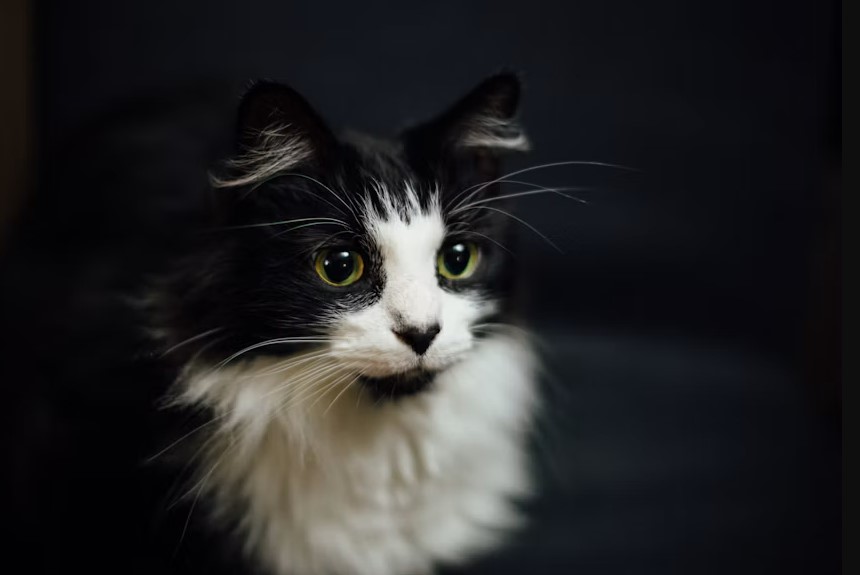
This guide covers what a tuxedo cat actually is, how the coat pattern works genetically, the myths about tuxedo temperament, famous tuxedo cats, breeds that can have the pattern, and practical care advice. It also covers adoption and answers common questions. A detailed FAQ and conclusion follow at the end.
What Is a Tuxedo Cat?
Here is the first surprise: a tuxedo cat is not a breed. “Tuxedo” describes a coat pattern, specifically a black-and-white bicolor coat in which the cat is mostly black with white on the chest, belly, paws, and sometimes the face and chin. The name comes from the resemblance to formal wear, with the white chest like a dress shirt and the black body like a jacket.
Because it is only a pattern, tuxedo cats can be any size, build, or coat length. Most are domestic shorthairs or domestic longhairs, the mixed-breed cats found in homes and shelters everywhere. Some purebred cats, such as certain British Shorthairs, Maine Coons, Persians, Turkish Vans, Cornish Rexes, and others, can also come in black and white, depending on the breed standard.
A true tuxedo is typically defined this way:
- A predominantly black coat
- White on the chest, forming a bib or shirtfront
- White on some or all of the paws
- Often a white chin or muzzle, and sometimes a white blaze or facial markings
- Sometimes a white belly
Cats with more white than black are usually called “bicolor” or “van” patterns, while cats with patches of other colors are described differently. Not everyone uses the terms strictly, and in casual conversation almost any black-and-white cat gets called a tuxedo.
The Genetics Behind the Tuxedo Pattern
Black Pigment
The black base color comes from eumelanin, the dark pigment, which is controlled by several genes. A cat needs the right combination to express solid black rather than brown, cinnamon, or diluted shades like gray.
The White Spotting Gene
The white areas are caused by a gene known as white spotting, or piebaldism. This gene affects where pigment cells migrate during embryonic development. Pigment-producing cells start on the back and spread out toward the belly, paws, and face. In cats with white spotting, some cells do not reach the farthest areas, such as the chest, belly, and toes. Those places end up with no pigment and appear white.
That explains the classic pattern. The areas farthest from the spine, including the paws, belly, and chest, are the most likely to be white. The amount of white varies depending on how strongly the gene is expressed, which is why tuxedo cats range from a tiny white locket to a very large amount of white.
Not Strictly Black
Many tuxedo cats can also carry other pigments. A cat with white spotting and an orange or tortoiseshell base would not be called a tuxedo, though it would still be bicolor or tricolor. The gene that determines whether the base is black or orange is on the X chromosome, which is why orange-and-white cats are mostly male and calico cats are almost always female.
Is Tuxedo Coloring Linked to Health?
There is no evidence that the tuxedo pattern itself causes health problems. White spotting is not the same as the dominant white gene, which is linked to deafness in some blue-eyed white cats. A tuxedo cat’s health depends on its genetics, care, and lifestyle, like any other cat.
Color Can Change
Black coats can develop a rusty or brownish look in strong sunlight, a process often called “rusting,” because sun exposure bleaches the pigment slightly. Diet can also play a role. Some black kittens look smoky or gray when young and darken as they mature. Do not be alarmed by color shifts, though a sudden change in coat quality should be mentioned to your vet.
Do Tuxedo Cats Have a Special Personality?
Ask tuxedo owners and many will insist their cats are unusually smart, talkative, or affectionate. Online, you will find claims that tuxedo cats are more outgoing, more playful, or more dog-like than other cats. These ideas are charming, but the evidence is thin.
What the Science Says
Research on coat color and cat behavior is limited and mixed. A few surveys of owners have found small differences in perceived behavior by color, but these studies rely on people’s impressions, which can be biased by stereotypes. Cats’ personalities are shaped by genetics, early socialization, health, environment, and individual experience. Coat color is a very poor predictor.
Why the Myth Persists
There are several reasons people believe in the tuxedo personality:
- Confirmation bias. Owners remember the times their tuxedo acted playful and forget the times it did not.
- The “dressed up” effect. The formal look invites us to project dignity, charm, and sophistication onto the cat.
- Their numbers. Tuxedos are very common in shelters and homes, so they appear in many stories and anecdotes.
- Social media. Famous tuxedos with big personalities make the stereotype seem broader than it is.
What Owners Commonly Report
Without claiming it is universal, owners often describe tuxedos as:
- Sociable. Many greet visitors and follow people from room to room.
- Talkative. Some are chatty and vocal.
- Playful. Many enjoy wand toys, fetch, and climbing.
- Affectionate. Many are lap cats or cuddle at night.
- Smart and mischievous. Many learn to open doors, cabinets, or drawers.
Treat these as fun possibilities rather than promises. The best way to know a cat’s personality is to meet the individual cat.
The History and Cultural Appeal of Tuxedo Cats
Ancient Companions
Black-and-white cats have lived alongside people for thousands of years, though no one can pinpoint the first tuxedo. Domestic cats spread across the ancient world, and the white spotting gene was present in many populations. The pattern was likely common in farm and ship cats, which were valued for controlling rodents.
Folklore and Superstition
Black cats have a mixed reputation in folklore, seen as lucky in some cultures and unlucky in others. Tuxedo cats are partly black, so some superstitions applied to them as well. In some places, a black-and-white cat was considered a good-luck charm, especially on ships, where sailors believed such cats brought safe voyages. Others linked white patches to good fortune.
Famous Tuxedo Cats
The tuxedo pattern has appeared across popular culture:
- Sylvester, the lisping cartoon cat who spends his time chasing a canary
- Felix the Cat, one of the earliest animated stars, who is a black cat with a white face and chest in his best-known form
- Socks, the cat who lived at the White House during the Clinton administration
- Cat in the Hat-style characters and countless storybook cats drawn in black and white
- Mr. Mistoffelees, from the stage musical Cats, is traditionally portrayed as a black cat
Some details of these characters, such as their exact markings, vary by version, and not every black-and-white fictional cat is officially a tuxedo. But the pattern’s popularity in art and media shows how appealing it is.
Internet Fame
Tuxedo cats are also stars of social media, where their expressive faces and dramatic markings make them photogenic. Many people share photos tagged with their favorite formal-wear felines, and tuxedo cats are common subjects in memes.
Appearance and Variations
The Classic Tuxedo
The traditional look includes a black body, a white chest bib, white paws, and often a white chin. Some have white whisker pads or a white nose spot.
Variations in White Markings
White markings vary enormously, and some of the most common variations include:
- The locket: a small white patch on the chest
- The bib: a larger white chest patch
- Mittens and boots: white on the front paws, hind paws, or all four
- The blaze: a white stripe on the face
- The mustache: white around the muzzle, sometimes asymmetrical
- The belly patch: white on the underside
- The tail tip: a white tuft at the end of the tail
Coat Length
Tuxedo cats can have short, medium, or long coats. Short-haired tuxedos are the most common, but long-haired varieties exist and require more grooming.
Eye Color
Eye color in tuxedo cats is usually yellow, gold, or green, though kittens are born with blue eyes that change at several weeks of age. Some cats with a lot of white on the face may have blue or odd eyes, though this is less common in classic tuxedos.
Size and Build
There is no standard size. Tuxedo cats may be small and delicate or large and muscular, depending on their ancestry.
Breeds That Can Have the Tuxedo Pattern
Because the pattern is a coat color, many breeds can appear in black and white. Some of the most common include:
- Domestic Shorthair and Domestic Longhair. The vast majority of tuxedos.
- British Shorthair. A round-faced, dense-coated breed that can be black and white.
- Maine Coon. Large, long-haired cats that come in many colors, including bicolors.
- Persian. Long-haired and flat-faced, available in bicolor patterns.
- Turkish Van and Turkish Angora. Some have white bodies with colored markings.
- Cornish Rex and Devon Rex. Curly-coated breeds that can have the pattern.
- Manx. Tailless or short-tailed cats that come in many colors.
- Scottish Fold. Folded-ear cats, though health concerns about the breed are significant.
- American Shorthair. A classic breed with many color options.
If you want a purebred cat in a tuxedo pattern, check the breed standard and the registry. Some breeds recognize bicolor patterns, while others do not. A responsible breeder will explain what is accepted.
Choosing a Tuxedo Cat: Adoption First
Why Adoption Makes Sense
Tuxedo cats are extremely common in shelters because they are common in the general cat population. Black and black-and-white cats are sometimes overlooked, partly because of superstition and partly because dark cats photograph poorly in adoption pictures. This is sometimes called “black cat syndrome.” Some shelters report that black and mostly black cats wait longer for adoption, though the effect varies by place and has been debated.
Adopting a tuxedo has clear advantages:
- Lower cost than buying from a breeder
- Many shelter cats are vaccinated, microchipped, and spayed or neutered
- Shelter staff and foster families know the cat’s temperament
- You can choose an adult with an established personality
- You give a cat a home that needs one
Kitten or Adult?
Kittens are playful and adaptable, but they need training, supervision, and time. Adults offer a more predictable personality, often calmer behavior, and a lower chance of surprises. Seniors can be wonderful companions for people who want a quiet friend.
Questions to Ask a Shelter
- What is the cat’s known history?
- Has the cat been tested for common diseases?
- How does the cat behave with children, other cats, or dogs?
- What are the cat’s vaccination and spay or neuter records?
- Are there any known health or behavior concerns?
If You Choose a Breeder
If you want a specific purebred in a tuxedo pattern, choose a breeder who health-tests breeding cats, raises kittens in a clean home, lets you meet the mother, provides written health records, and asks you questions in return. Avoid sellers who advertise a “rare tuxedo breed,” since there is no such thing, or who pressure you to pay quickly.
Bringing Home a Tuxedo Cat
Preparing Your Home
Before your cat arrives, set up the essentials:
- A litter box in a quiet, accessible spot
- Food and water bowls, kept away from the litter
- A cat carrier for trips to the vet
- A scratching post or pad
- Toys, such as wand toys, balls, and puzzle feeders
- A bed or cozy hiding place
- A cat tree or shelf for climbing
- A safe, quiet room for the first days
Cat-proof the space by removing toxic plants, securing cords, closing window screens, and putting away small objects and string that could be swallowed.
The First Days
Give your cat time to adjust. Start in one room, let the cat explore at its own pace, and add space gradually. Keep routines calm and predictable, and introduce other pets slowly.
Introducing Other Pets
Introduce animals gradually, using scent swapping, barriers, and short supervised meetings. Reward calm behavior. Do not force interactions, and expect it to take days or weeks.
Feeding Your Tuxedo Cat
Cats are obligate carnivores and need a diet rich in animal protein. Feed a complete and balanced cat food suited to your cat’s life stage, whether kitten, adult, or senior.
- Measure portions to avoid obesity, a common problem in indoor cats.
- Provide fresh water at all times, and consider a fountain to encourage drinking.
- Mix wet and dry food if your vet recommends it. Wet food helps hydration and urinary health.
- Avoid toxic foods, including onions, garlic, chocolate, grapes, raisins, and anything with xylitol.
- Use treats sparingly, since they add up.
- Adjust for age and health. Kittens, seniors, and cats with medical conditions have different needs.
If your cat is overweight, ask your vet to design a gradual weight-loss plan.
Grooming and Coat Care
Short-Haired Tuxedos
Brush once or twice a week to remove loose hair and reduce hairballs. Short coats are easy to maintain.
Long-Haired Tuxedos
Brush several times a week, ideally daily, to prevent mats, especially behind the ears, under the legs, and along the belly.
Keeping the White Fur Clean
The white patches may show dirt, tear stains, or food marks more easily. Wipe the face gently with a damp cloth, and ask your vet before using any cleaning products.
Black Coat Care
A healthy black coat has a glossy shine. Sun exposure may turn it slightly rusty, which is cosmetic. A dull, dry, or flaky coat may point to diet, skin, or health issues worth discussing with your vet.
Claws, Teeth, and Ears
- Trim claws every few weeks
- Brush teeth regularly with cat-safe toothpaste if your cat tolerates it
- Check ears for dirt, odor, or redness and ask your vet about cleaning
Health and Veterinary Care
General Health
Tuxedo cats are as healthy as other domestic cats. They may live 12 to 18 years or more with good care, and indoor cats typically live longer than outdoor cats.
Preventive Care
- Schedule annual veterinary exams, and twice a year for seniors
- Keep vaccinations up to date
- Use flea, tick, and parasite prevention as your vet recommends
- Spay or neuter, ideally at the age your vet advises
- Microchip your cat and keep your information current
- Provide dental care
Common Cat Health Concerns
Like all cats, tuxedos can develop:
- Dental disease. Very common, and preventable with care.
- Obesity. Linked to diabetes and joint problems.
- Urinary tract problems. Watch for straining, frequent trips to the litter box, or blood in urine, which can be an emergency.
- Kidney disease. Common in older cats.
- Hyperthyroidism. Often seen in seniors.
- Diabetes. More likely in overweight cats.
- Parasites and infections. Prevent with regular veterinary care.
White Fur and Sun Exposure
Cats with white ears or noses can be sensitive to sun and may be at higher risk of skin damage and certain skin cancers on exposed white areas. This is more significant in cats with lots of white and in sunny climates. If your cat basks in sunny windows, ask your vet about protection and watch for sores or scabs on the ears and nose that do not heal.
Enrichment, Play, and Training
Play
Daily play keeps cats fit and mentally stimulated. Try wand toys, laser pointers used carefully and ending with a physical toy to catch, puzzle feeders, balls, and crinkle toys.
Climbing and Perches
Cats love height. Cat trees, shelves, and window perches let them survey their territory and feel secure.
Scratching
Provide sturdy scratching posts and pads in several places, and reward your cat for using them. Do not punish scratching, which is natural.
Training
Cats can learn commands such as sit, come, and high-five using treats and clickers. Many tuxedo owners report cats that enjoy fetch or learn tricks, though this varies by individual cat.
Indoor or Outdoor?
Indoor cats generally live longer and safer lives. If you want your cat to experience the outdoors, consider a catio, a harness and leash, or a secure enclosed yard.
Tuxedo Cat Myths and Facts
Myth: Tuxedo cats are a breed. Fact: Tuxedo is a coat pattern found in many breeds and in mixed-breed cats.
Myth: Tuxedo cats are smarter than other cats. Fact: There is no solid evidence that coat pattern affects intelligence.
Myth: Black-and-white cats are unlucky. Fact: Superstitions vary by culture, and there is no truth to them. Many cultures consider them lucky.
Myth: Tuxedo cats are always male. Fact: The pattern appears in both sexes. The sex-linked color pattern applies to orange and tortoiseshell cats, not to black-and-white ones.
Myth: Tuxedo cats are rare. Fact: They are among the most common patterns in domestic cats.
Frequently Asked Questions
1. Is a tuxedo cat a breed?
No. A tuxedo cat is defined by a black-and-white coat pattern, not by ancestry. Most are domestic shorthairs or longhairs, though some purebred cats can also have the pattern.
2. Are tuxedo cats rare?
No, they are quite common. The white spotting gene is widespread in the cat population, so black-and-white cats are found in many homes and shelters.
3. Do tuxedo cats have a special personality?
There is no solid scientific evidence that coat color determines personality. Many owners describe tuxedos as friendly, talkative, and playful, but personality depends on genetics, early socialization, and environment.
4. Are tuxedo cats male or female?
Both. The tuxedo pattern appears in males and females. The idea that certain colors are linked to sex applies mainly to orange and calico or tortoiseshell cats.
5. How long do tuxedo cats live?
With good care, most live about 12 to 18 years, and some live longer. Indoor cats generally live longer than outdoor cats. Diet, weight control, dental care, and regular veterinary visits all help.
6. Do tuxedo cats shed a lot?
Shedding depends on coat length and season, not on color. Short-haired tuxedos shed moderately, while long-haired ones need more brushing. Regular grooming reduces loose fur.
7. Are tuxedo cats hypoallergenic?
No. Cat allergies are triggered mainly by proteins in saliva and skin secretions, and no coat color is hypoallergenic. If you have allergies, spend time with the specific cat before adopting and talk to your doctor.
8. Why is my black cat’s coat turning brown?
Sun exposure can bleach black fur and give it a rusty tint, and diet and age can also play a role. This is usually harmless, but if the coat becomes dull, patchy, or flaky, see your vet.
9. Are tuxedo cats good with kids and other pets?
Many are, but it depends on the individual cat’s temperament and socialization. Introduce pets gradually, teach children to handle cats gently, and supervise interactions.
10. Where can I adopt a tuxedo cat?
Local shelters, humane societies, and rescue groups often have tuxedo cats. Search adoption websites in your area, ask about the cat’s history, and consider adopting an adult cat whose personality is already clear.
Conclusion
The tuxedo cat is one of the most recognizable and beloved coat patterns in the feline world. With a black body, white shirtfront, and paws that look dressed for a gala, it carries an air of charm that few other cats can match. Yet the tuxedo is not a breed or a guarantee of personality. It is a pattern, created by the same genetics that give countless domestic cats their distinctive markings.
What makes a tuxedo cat special is the same thing that makes any cat special: the individual. Some are chatty and playful, others are shy and dignified, and each has its own history and habits. If you are drawn to the look, consider adopting from a shelter, where tuxedos are plentiful and often wait longer than they should for homes.
Give your tuxedo a balanced diet, regular veterinary care, daily play, a safe home, and plenty of affection, and you can enjoy many years of companionship. Whether it is draped across your keyboard, announcing dinner with a loud meow, or sitting regally by the window in its formal attire, a tuxedo cat will make every day feel a little more elegant.


