Maine Coon Cat Breed: The Complete Guide to America’s Gentle Giant
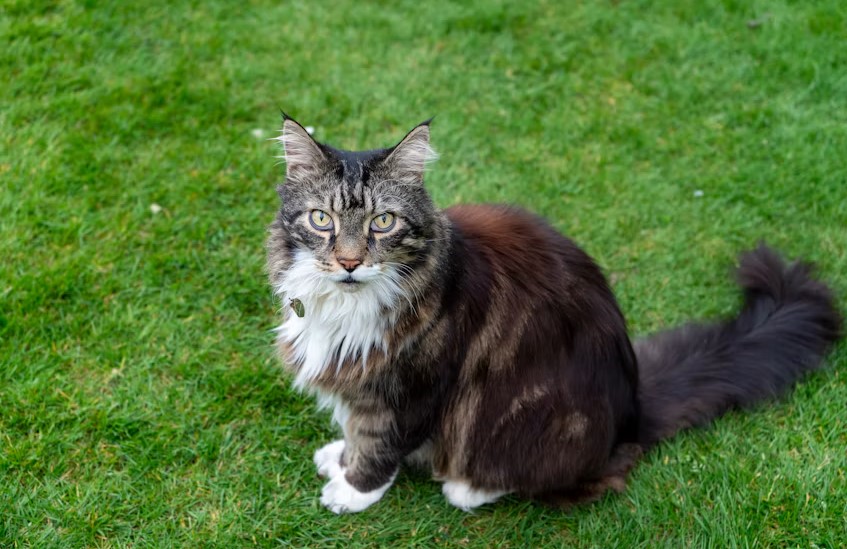
Few cats make an entrance like a Maine Coon. Weighing as much as a small dog, with a shaggy mane, tufted ears, and a tail like a feather boa, this breed looks like a lynx that wandered in from the forest. Yet the real surprise comes when it opens its mouth: instead of a roar, you are likely to hear a soft chirp or trill. Maine Coons are famously gentle, sociable, and patient, which is why they consistently rank among the most popular cat breeds in the world.
This guide covers the history, appearance, temperament, health, feeding, grooming, and costs of living with a Maine Coon, along with tips on choosing a kitten or adopting an adult. A detailed FAQ and conclusion follow at the end.
Origins and History
The Maine Coon is considered one of the oldest natural breeds in North America. It developed in the northeastern United States, particularly the state of Maine, where long-haired cats adapted to harsh winters. Thick water-resistant coats, large paws that work like snowshoes, and big, sturdy bodies were all advantages in cold, snowy conditions. These cats earned their keep as barn and farm cats, controlling mice and rats.
Folklore
The breed’s origins are wrapped in colorful legends. One story claims Maine Coons descend from the long-haired pets of Marie Antoinette, shipped to Maine as she planned an escape from France. Another says they are the result of cats mating with raccoons, an idea inspired by the bushy, ringed tails of brown tabby cats and by the “Coon” in the name. Genetically, the raccoon story is impossible, since the two species cannot interbreed. A third tale credits seafaring captains who brought long-haired cats on ships. The most likely explanation is simpler: short-haired domestic cats mixed over generations with long-haired cats brought by sailors and settlers, then were shaped by climate and natural selection.
Rise to Popularity
Maine Coons were popular show cats in the late nineteenth century, and a brown tabby Maine Coon was reportedly honored at an early American cat show. The arrival of fancy imported breeds such as the Persian pushed them out of the spotlight in the early twentieth century, and the breed nearly faded from view. Dedicated breeders revived it in the 1960s and 1970s, and registries began granting recognition. Today the Maine Coon is the official state cat of Maine and ranks consistently among the most popular breeds worldwide.
Breed Snapshot
- Weight: Males commonly 13 to 18 pounds, sometimes more; females about 8 to 12 pounds
- Length: Often up to around 40 inches from nose to tail tip in larger males
- Lifespan: Typically 12 to 15 years, with some living longer
- Coat: Long, shaggy, water-resistant double coat, shorter on the shoulders and longer on the belly and britches
- Temperament: Gentle, friendly, intelligent, playful, and social
- Energy: Moderate, with a playful streak that lasts into adulthood
- Grooming: Moderate to high
- Maturity: Slow, often taking three to five years to reach full size
Physical Characteristics
Size and Build
Maine Coons are among the largest domestic cat breeds. They have a rectangular, muscular body, broad chest, and strong legs. Unlike many cats, they grow slowly, so a kitten may continue to gain size and weight for several years. Do not be alarmed if a Maine Coon kitten looks leggy and awkward for a long time.
The Coat
The coat is the breed’s showpiece. It is long and shaggy but silky, and it is designed for cold: a dense undercoat for insulation and a water-shedding top layer. The fur is shorter over the shoulders and back and longer along the belly, sides, and hindquarters. A thick ruff around the neck resembles a lion’s mane, particularly in males.
Colors and Patterns
Maine Coons come in a wide range of colors and patterns. The classic brown tabby is the most iconic, but black, white, red, cream, blue, silver, smoke, tortoiseshell, calico, and bicolor varieties all exist. Eye color is typically green, gold, or copper, with blue or odd eyes appearing in white and some bicolor cats.
Distinctive Features
- Ears: Large, tall, and wide at the base, tipped with tufts of fur called lynx tips
- Paws: Large and round, with tufts of fur between the toes that help in snow
- Tail: Long, full, and bushy, often as long as the body
- Head: Medium in size with a squarish muzzle and high cheekbones
- Eyes: Large, expressive, and slightly oval
- Polydactyly: Some Maine Coons are born with extra toes, a trait common in early populations of the breed. Polydactyl cats are accepted by some registries and not by others, and they are otherwise as healthy as other cats
Temperament and Personality
Gentle Giants
The Maine Coon’s nickname fits. Despite their size, most are mellow, patient, and affectionate. They enjoy being near their people without being overly demanding. Many follow their owners from room to room, supervising chores with a curious chirp.
Intelligent and Trainable
Maine Coons are bright. They can learn their names, respond to commands, and play fetch. Some learn to walk on a harness and leash, and many enjoy puzzle toys. Their intelligence also means they can figure out how to open cabinets and doors, so be prepared for creative mischief.
Playful for Life
Many Maine Coons stay kittenish well into adulthood. They enjoy wand toys, balls, climbing, and chasing, and some love water, whether that means batting at a dripping faucet or splashing in a bowl.
Vocalizations
Rather than loud meows, Maine Coons are known for soft chirps, trills, and chattering. Some are talkative, others quiet, but few are harsh or demanding.
Social but Not Clingy
They tend to form strong bonds with the whole family. They are rarely lap cats in the strict sense, given their size, but many love to sit nearby or lean against a leg. They usually do not enjoy being left alone for long periods.
Good With Children and Other Pets
Maine Coons are generally tolerant of children and other animals. Their sturdy size makes them less fragile than smaller cats, though children should still be taught to handle any cat gently. Many get along with cat-friendly dogs, especially when introduced early and carefully.
Is a Maine Coon Right for You?
A Good Fit If You:
- Want a friendly, affectionate, and sociable companion
- Have time and space for a large cat
- Are prepared for regular grooming
- Can provide play, climbing space, and companionship
- Are comfortable with a cat that matures slowly
- Can budget for a large breed’s food and veterinary care
Think Twice If You:
- Are away from home for long hours every day
- Want a low-maintenance, low-shedding cat
- Live in a very small space with no room for climbing
- Have severe cat allergies
- Cannot afford grooming and potential specialist care
Choosing a Maine Coon Kitten
Finding a Responsible Breeder
Because Maine Coons are popular, the market includes both excellent breeders and careless ones. A responsible breeder will:
- Health-test breeding cats for conditions relevant to the breed and share results
- Raise kittens in a clean, social home environment
- Let you meet the mother and see where the kittens live
- Provide vaccination and deworming records
- Offer a written contract and health guarantee
- Ask you questions about your home and experience
- Allow kittens to stay until at least 12 to 13 weeks, as is recommended by many breed clubs
- Take the cat back if you cannot keep it
Red Flags
- Pressure to pay a deposit quickly
- Refusal to allow visits or video calls
- Several breeds available at once
- Unusually low prices
- Claims that a cat will reach an extreme size, such as “giant” or “mega” Maine Coons
- No health records or pedigree
- Kittens that appear unwell or live in dirty conditions
Kitten Health Checklist
When meeting kittens, look for bright, clear eyes, clean ears, a clean coat, a plump but not bloated belly, and playful, curious behavior. Kittens should be active and friendly, not lethargic or hiding.
Costs
Prices vary widely by region and breeder. Well-bred, health-tested kittens from reputable breeders commonly cost more than typical domestic cats, often in the range of hundreds to a few thousand dollars. Pet-quality kittens tend to cost less than show or breeding quality. Remember to budget for ongoing costs, not only the purchase price.
Adopting a Maine Coon
Rescue Options
Maine Coon rescue organizations exist in many countries, and shelters often have Maine Coons and Maine Coon mixes. Adult cats may arrive with known personalities, up-to-date vaccinations, and spay or neuter surgery already completed. Adoption fees are usually much lower than breeder prices.
Is It Really a Maine Coon?
Shelters sometimes label any large, long-haired cat as a Maine Coon. Unless papers show otherwise, the cat is likely a domestic longhair with some resemblance to the breed. That does not make the cat any less wonderful, but be aware that health and size expectations may differ from those of a purebred.
Preparing Your Home
Essentials
- A large litter box. Standard boxes can be too small. Choose a roomy, uncovered box or a large storage bin with a low entrance
- Sturdy cat trees. Look for tall, stable models with wide platforms that support a heavy cat
- Strong scratching posts. Tall posts that allow a full stretch
- Large carrier. Many standard carriers are too small for an adult Maine Coon
- Sturdy beds and window perches. Check weight limits
- Food and water bowls. Wide, shallow bowls prevent whisker discomfort
- Interactive toys. Wand toys, puzzle feeders, and balls
Cat-Proofing
Remove toxic plants, secure cords, and close access to hazards. Maine Coons are tall and strong, and they can reach counters and shelves with ease. Keep breakables and food out of reach.
Feeding Your Maine Coon
Nutrition Basics
Cats are obligate carnivores and need a diet rich in animal protein. Feed a complete and balanced food suited to your cat’s life stage, and ask your vet about the best choice. Because Maine Coons are large and slow-maturing, some owners choose a food formulated for large breeds or for growth for longer than they would with a smaller cat. Ask your vet when to transition from kitten to adult food.
Portion Control
Maine Coons are big, but that does not mean they should be heavy. Obesity increases the risk of diabetes, arthritis, and heart strain. Measure meals, follow your vet’s guidance, and check body condition regularly. You should be able to feel the ribs under a thin layer of fat and see a visible waist.
Wet and Dry Food
Wet food supports hydration and urinary health, and many vets recommend including it. Dry food is convenient but should be measured. Provide fresh water at all times, and consider a fountain to encourage drinking.
Foods to Avoid
Onions, garlic, chocolate, grapes, raisins, alcohol, caffeine, and anything containing xylitol are dangerous. Never give cow’s milk in large amounts, since many cats are lactose intolerant.
Treats
Use treats sparingly and count them toward daily calories.
Grooming a Maine Coon
The coat looks high maintenance, but the fur is naturally silky and less prone to matting than that of some long-haired breeds. Still, regular care is important.
Brushing
Brush two to three times a week with a wide-toothed metal comb and a slicker brush. Pay special attention to areas that mat easily: behind the ears, under the legs, along the belly, and in the britches. During spring and fall shedding seasons, brush more often.
Mats
Never pull at mats. Gently work them out with your fingers or a comb, or ask a groomer or vet for help. Cutting mats near the skin risks cutting the cat.
Bathing
Maine Coons rarely need frequent baths. Bathe occasionally if the coat is dirty or greasy, using cat-specific shampoo. Dry thoroughly, since the thick coat holds moisture.
Other Care
- Nails. Trim every few weeks
- Ears. Check for debris, odor, or redness. Clean only as advised by your vet
- Teeth. Brush regularly with cat-safe toothpaste
- Eyes. Wipe away discharge gently with a damp cloth
- Sanitary trim. Some owners trim fur around the rear to keep it clean
Shedding
Expect shedding year-round, heavier seasonally. Regular grooming reduces loose hair and hairballs. If you have allergies, remember that Maine Coons are not hypoallergenic.
Health Concerns
Maine Coons are generally sturdy, but the breed has several known predispositions. Responsible breeders screen for them.
Hypertrophic Cardiomyopathy (HCM)
HCM, a thickening of the heart muscle, is the most common heart disease in cats and affects Maine Coons at notable rates. A specific gene mutation has been linked to the disease in the breed, and genetic tests are available, though the mutation does not explain every case. Many breeders also use heart ultrasounds (echocardiograms) to screen breeding cats. Signs of heart disease can include rapid or labored breathing, lethargy, collapse, or sudden hind-leg weakness caused by a blood clot, which is an emergency. Many cats show no signs until the disease is advanced, so screening matters.
Hip Dysplasia
Abnormal hip development can cause pain, lameness, and arthritis. Larger cats are more susceptible. Breeders may use X-rays to screen breeding cats. Maintaining a healthy weight helps protect the joints.
Spinal Muscular Atrophy (SMA)
This inherited condition affects nerve cells that control muscles in the hind limbs, leading to weakness and an unsteady gait. A genetic test exists, and responsible breeders test for it to avoid producing affected kittens.
Polycystic Kidney Disease (PKD)
Some Maine Coons can develop kidney cysts, though the condition is better known in Persians and related breeds. Ultrasound screening can detect it.
Dental Disease
Dental problems are common in all cats. Regular brushing and veterinary cleanings help.
Obesity and Diabetes
Excess weight raises the risk of diabetes, arthritis, and heart strain. Careful feeding and daily play protect long-term health.
Urinary Tract Problems
Straining, frequent trips to the litter box, crying, or blood in the urine can signal a urinary problem and may be an emergency, especially in male cats.
Preventive Care
- Annual veterinary exams, and twice yearly for seniors
- Up-to-date vaccinations
- Parasite prevention as your vet recommends
- Spay or neuter, at the age your vet advises
- Microchipping
- Regular dental care
- Pet insurance or an emergency fund
Lifespan
Most Maine Coons live about 12 to 15 years, and some live longer. Good breeding, healthy weight, quality food, dental care, and regular veterinary visits all help.
Exercise and Enrichment
Play
Maine Coons enjoy daily play. Aim for at least two sessions of 10 to 15 minutes with wand toys, balls, or puzzle feeders. Rotate toys to keep things interesting.
Climbing
They need tall, sturdy cat trees and wall shelves. A large cat can topple a flimsy tower, so choose heavy, stable models.
Mental Stimulation
Puzzle feeders, treat-dispensing toys, and training sessions keep their minds busy. Many Maine Coons enjoy learning tricks, fetching, and even walking on a harness.
Companionship
These cats are social and often do well with a feline or canine friend, though introductions should be gradual. If you are away much of the day, consider a second cat or arrange visits.
Indoor or Outdoor
Indoor cats generally live longer and safer lives. If you want your Maine Coon to enjoy the outdoors, consider a catio, a secure enclosed yard, or harness walks. Because of their size and appeal, distinctive cats may be targets for theft, and free-roaming cats face traffic, predators, and disease.
Training and Behavior
Litter Training
Most kittens take to the litter box quickly. Keep boxes clean, large, and in quiet locations.
Scratching
Provide sturdy posts and reward their use. Do not punish scratching, which is natural. Redirect with treats and praise.
Harness and Leash
Start early with a lightweight harness, short indoor sessions, and treats. Never force the cat.
Trick Training
Use treats and a clicker to teach sit, come, and high-five. Keep sessions short and positive.
Handling
Handle kittens often, including paws, ears, and mouth, so grooming and vet visits are easier later.
Behavior Problems
Boredom or loneliness can lead to destructive behavior, nighttime activity, or excessive vocalization. More play, enrichment, and companionship usually help. If problems persist, consult your vet to rule out medical causes.
Maine Coon Growth Timeline
- Birth to 8 weeks: Kittens nurse and develop with mother and littermates
- 8 to 16 weeks: Socialization, vaccinations, and rapid growth. Kittens go to new homes around 12 to 13 weeks with responsible breeders
- 4 to 8 months: Continued rapid growth and the start of adolescence
- 8 months to 1 year: Gangly stage, with energy and curiosity at a peak
- 1 to 3 years: Continued filling out
- 3 to 5 years: Full physical maturity, especially in males
Growth varies from cat to cat. Your vet can monitor your cat’s weight and condition and tell you whether growth is on track.
Costs of Owning a Maine Coon
Plan for more than the purchase price:
- Purchase or adoption fee
- Initial veterinary care: vaccinations, deworming, microchip, and spay or neuter
- Supplies: large litter box, cat tree, carrier, beds, bowls, toys
- Food: a large cat eats more than a small one
- Litter
- Grooming tools or professional grooming
- Routine veterinary care and preventive medication
- Pet insurance or emergency savings
- Boarding or pet sitting
Costs vary widely by region, so get local quotes. Because of the breed’s health risks, savings or insurance for heart and joint care are wise.
Common Mistakes New Maine Coon Owners Make
- Buying from a source that does not health-test. Skipping this raises the chance of heart and joint problems.
- Expecting a small cat’s equipment to work. Litter boxes, carriers, and cat trees must be large and sturdy.
- Overfeeding. A big cat is not a license to free-feed.
- Neglecting grooming. Regular brushing prevents mats and hairballs.
- Leaving the cat alone too much. Maine Coons thrive on company.
- Ignoring subtle health signs. Many cats hide illness.
- Falling for “giant Maine Coon” marketing. Extreme size claims are not a sign of quality.
- Letting the cat roam unsupervised. Outdoor risks are real.
Frequently Asked Questions
1. How big do Maine Coons get?
Males typically weigh 13 to 18 pounds and females 8 to 12 pounds, though some are larger. They can reach around 40 inches from nose to tail tip. They grow slowly, often not reaching full size until three to five years old.
2. Are Maine Coons good family pets?
Yes. They are gentle, sociable, and tolerant, and they usually get along well with children, other cats, and cat-friendly dogs. Teach children to handle cats gently, and supervise early interactions.
3. Are Maine Coons high maintenance?
They need regular grooming, a large litter box, sturdy furniture, and daily play, but they are not usually demanding. Brushing two to three times a week keeps the coat in good shape, and most adapt well to household routines.
4. Do Maine Coons shed a lot?
Yes, they shed year-round and more heavily in spring and fall. Regular brushing reduces loose fur and hairballs. They are not hypoallergenic.
5. How long do Maine Coons live?
Typically 12 to 15 years, and sometimes longer. Responsible breeding, healthy weight, regular veterinary care, and dental attention all support longevity.
6. What health problems do Maine Coons get?
The most important are hypertrophic cardiomyopathy, hip dysplasia, and spinal muscular atrophy. Dental disease, obesity, and urinary problems can also occur. Ask breeders about heart screening and genetic testing, and keep up with veterinary exams.
7. Are Maine Coons talkative?
They are known for soft chirps, trills, and chatter instead of loud meows. Some are chatty and others quiet, but most are not harsh or demanding.
8. Can Maine Coons be left alone?
They can manage short periods, but they are social and may become bored or lonely if left alone for long hours. Provide toys and enrichment, or consider a second pet or a pet sitter.
9. Are Maine Coons hypoallergenic?
No. Cat allergies come mainly from proteins in saliva and skin secretions, and no breed is hypoallergenic. If you have allergies, spend time with the specific cat before adopting and talk with your doctor.
10. How much does a Maine Coon cost?
Prices vary by region and breeder, but well-bred, health-tested kittens often cost hundreds to a few thousand dollars. Adoption is usually much cheaper. Also budget for food, grooming, veterinary care, and supplies.
Conclusion
The Maine Coon earns its reputation as a gentle giant. Its imposing size, shaggy coat, and wild-looking tufts conceal a patient, friendly, and playful companion that thrives on family life. Add intelligence, a charming chirp, and a talent for turning ordinary days into small adventures, and it is easy to see why so many people fall in love with the breed.
Living with a Maine Coon also means taking on real responsibilities. The coat needs regular care, the equipment must be big and sturdy, and the breed’s predisposition to heart disease, hip problems, and inherited conditions makes responsible sourcing and veterinary care essential. Choose a breeder who health-tests and puts welfare first, or consider adopting a cat in need, and be wary of anyone who sells size as a selling point.
Give your Maine Coon good food, daily play, a safe home, grooming, regular veterinary attention, and plenty of companionship, and you will be rewarded with a loyal friend for a dozen years or more. Whether it is following you from room to room, chirping a greeting at the door, or sprawling across the sofa like a small lion, a Maine Coon will make your home feel warmer and a little wilder.