Cat Sleeping Positions: What Your Cat’s Naps Are Really Telling You
You walk into the living room and find your cat flat on the floor, legs stretched out, looking like she fell from the ceiling. For half a second your heart skips, and then you see her belly rising and falling and realize she’s just asleep. Most cat owners have had that moment at least once.
The way a cat sleeps says a lot more than people expect. It can show whether she feels safe, whether the room is too warm or too cold, and sometimes whether something is wrong with her health. This guide walks through the twelve most common cat sleeping positions, explains what each one usually means, and covers the signs that are worth a call to your vet.
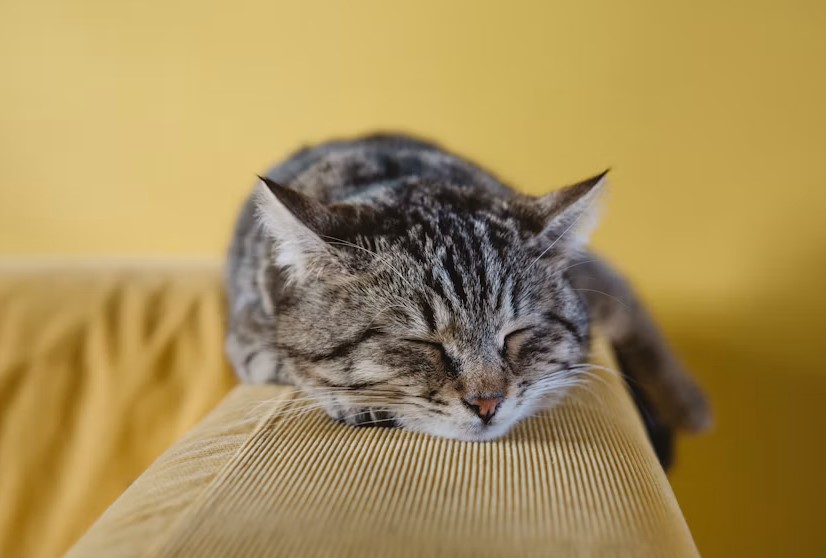
One thing before we start. I’m sharing general information that vets and animal behavior experts commonly agree on, and every cat is different, so use it as a guide and not a diagnosis.
How Much Do Cats Sleep, and Why?
A healthy adult cat sleeps around twelve to sixteen hours a day, and kittens and older cats can sleep even more. That means your cat may spend more than half of her life asleep, which can feel a bit unfair when you’re the one setting an alarm.
There’s a reason for all that rest. Wild cats hunt in short, intense bursts, and they need to save energy between meals. Your house cat doesn’t have to chase dinner, but she still carries the same instincts, so she naps whenever she isn’t busy and saves her energy for play, usually around dawn and dusk.
Light Sleep and Deep Sleep
Not all cat naps are the same. Most of the time, cats are in a light doze where they can wake up quickly. Their ears may swivel toward a sound, and their eyes may open a tiny bit even though they look asleep.
Deep sleep is rarer and shorter. During this stage, you might see twitching whiskers, tiny paw movements, or soft little noises, and that’s usually a sign your cat is dreaming. It’s a good reminder that she is probably feeling very safe.
Why the Position Matters
A cat chooses her sleep position based on three things, which are temperature, safety, and comfort. In a cool room she’ll curl up to keep warm, and on a hot day she’ll stretch out to cool down. When she feels very safe, she’ll sleep in more open positions, and when she feels unsure, she’ll choose a position that lets her jump up fast.
12 Common Cat Sleeping Positions and What They Mean
The poses below are the ones owners see most often. Keep in mind that a cat can use several of them in one day, and a single position doesn’t tell the whole story.
1. The Loaf
In the loaf, your cat sits or lies with her paws tucked under her body and her tail wrapped around, so she looks like a loaf of bread. It’s a relaxed pose, but it’s also a ready pose, because she can get up in a second if something interesting or scary happens.
You’ll see the loaf a lot in cooler rooms, since tucking the paws in helps keep body heat close. If your cat is loafing with her eyes half closed, she’s probably dozing lightly and listening to everything around her.
2. The Curled-Up Donut
Here your cat curls into a tight ball with her nose near her tail and her paws tucked in. It’s one of the most classic cat sleeping positions, and it usually means she wants warmth and a feeling of security.
Curling up also protects her belly, which is a soft and vulnerable spot. If your cat sleeps this way most of the time, she may like a cozy bed with raised sides, or a spot near a heater or a sunny window.
3. The Side Sprawl
In the side sprawl, your cat lies on her side with her legs stretched out, and sometimes she looks like she’s been dropped there. This is a deeply relaxed pose, and it usually shows that she feels comfortable and the room temperature is just right.
Cats don’t stretch out like this when they feel nervous, so you can take it as a compliment. A cat who sprawls in the middle of the room has decided that your home is a safe place.
4. Belly Up
When a cat sleeps on her back with her belly exposed, she’s showing a high level of trust. The belly is the most delicate part of her body, so she only shows it when she feels very safe, and it’s also a way to cool down, since the fur there is thinner.
Here’s something that surprises many owners. A belly-up cat isn’t always asking for a belly rub, and many cats don’t like being touched there at all. It’s usually best to admire the pose from a distance and let her sleep.
5. The Belly-Down Stretch
Some cats lie flat on their stomachs with their back legs stretched out behind them, which people sometimes call a sploot. It looks funny, but it’s a very practical position, because it lets the cat press her belly against a cool floor.
If you notice your cat doing this on tile or hardwood in summer, she’s probably trying to cool off. A cool mat or a spot in the shade can help on very hot days.
6. Paw Over the Face
Many cats sleep with one paw covering their eyes or nose. It’s easy to see why, since it blocks out light and can keep the nose warm, and it also looks adorable, which doesn’t hurt.
This pose usually shows a cat who is comfortable but wants a little extra darkness and cozy warmth. If she does it in a bright room, you might think about giving her a quieter, dimmer spot to nap.
7. The Sitting Nap
Some cats doze while sitting up, with their heads drooping slowly down and then snapping back up. This is a light sleep, and it usually means your cat is tired but doesn’t want to fully let her guard down.
It’s common in busy households or in cats who are a bit nervous. If your cat always sleeps sitting up, you might offer a quiet room or a high perch where she feels safer.
8. Head Hanging Over the Edge
Every now and then you’ll find a cat asleep with her head or paw dangling off a couch, a shelf, or the edge of the bed. This tends to happen when a cat is so relaxed that she doesn’t care how she looks, and it’s very common with kittens and young cats.
It’s usually fine, but if she sleeps on a high shelf or a balcony ledge, make sure there’s a safe landing area and that the space is secure.
9. Sleeping on You
If your cat curls up on your lap, chest, or the pillow next to your head, she’s choosing you on purpose. Your body is warm, you smell familiar, and your heartbeat and breathing are calming, so you’re basically the best bed in the house.
Many cats knead before they settle, pressing their paws into the blanket or your legs. This is a leftover kitten habit that usually means they feel content and safe.
10. The Cuddle Pile
Cats who live together often sleep in a tangled pile, with one cat’s head on another’s back. This is a sign of a close bond, because cats only share sleeping space with others they trust.
You’ll see it a lot in kittens from the same litter, and in adult cats who have grown up together. If your cats do this, they’re probably good friends.
11. In a Box or Tight Space
Cats love boxes, bags, baskets, and tiny cupboards, and there’s a good reason for it. A snug space feels safe and helps them keep warm. Studies in animal shelters have found that cats given a hiding box tend to settle in and show less stress than cats without one.
If your cat keeps hiding in small spaces, give her a few options on purpose, like a cardboard box with a soft blanket. Just make sure the spots are safe, and never block exits.
12. Under the Covers or in a Laundry Pile
Cats are drawn to soft, warm things that smell like their favorite people, and a pile of fresh laundry or a blanket checks all the boxes. Sleeping under covers also creates a warm little cave.
This is usually harmless, but check before you sit down, shut the dryer, or fold clothes so you never trap your cat by accident. Always look inside the washer and dryer before you close the door.
Why Does My Cat Change Cat Sleeping Positions During the Day?
Cats move around a lot while they nap, and that’s completely normal. A cat might start the morning curled in a donut in a sunny spot, then sprawl on the cool tile at noon, and end the evening in a loaf beside you on the couch.
A few things drive those changes.
- Temperature: cats curl up when they’re cold and stretch out when they’re hot.
- Time of day: cats are most active at dawn and dusk, so they usually sleep deeply in the middle of the day and at night.
- Mood and safety: a nervous cat picks tighter, more guarded positions, while a relaxed cat picks open ones.
- Sunlight and spots: cats follow warm patches around the house, and the positions follow the sun.
- Age and health: kittens sprawl everywhere, and older cats often look for soft, low, warm places that are easy on the joints.
What Do Twitching, Paw Movements, and Noises Mean?
If you’ve ever watched your cat’s paws run in her sleep or heard a tiny chirp, you’ve seen the dream stage. Cats go through a deep sleep stage similar to the one where people dream, and the twitching and soft sounds are usually normal.
What matters is how your cat looks when it happens. Normal dream movement is gentle and short, and your cat wakes up easily if you say her name. A real seizure looks different, with stiff, strong, or jerky movements, drooling, or a cat who doesn’t wake up or seems confused afterward.
If you see anything that looks like a seizure, stay calm, keep her away from stairs and furniture edges, and call your vet right away. If you can safely take a short video, it can help your vet understand what happened.
When Sleeping Positions Could Signal a Health Problem
Most sleep positions are perfectly normal, but sudden changes can be a clue that something isn’t right. Cats are good at hiding discomfort, so the way they rest is sometimes the first sign you’ll notice.
Check Her Breathing
This is the simplest and most useful check you can do at home. When your cat is asleep or fully relaxed, count how many times her chest rises and falls in thirty seconds, then multiply by two. A healthy cat at rest usually takes fewer than thirty breaths a minute.
If you keep counting more than thirty, or her breathing looks heavy, then call your vet. If she’s breathing with her mouth open, struggling, or her gums look pale or blue, treat it as an emergency and go to a vet right away.
Other Signs Worth Noticing
- She sits hunched or upright with her neck stretched out and won’t lie down, which can point to trouble with breathing or the heart.
- She sleeps much more than usual, or she can’t seem to settle and keeps changing spots.
- She stops using her favorite high spots, or she hesitates before jumping, which can be a sign of sore joints.
- She sleeps in a tight, hunched position and flinches when you touch her belly or back.
- She hides in unusual places for long periods, or her sleeping habits change after a stressful event.
- You can see the third eyelid, the pale film at the inner corner of the eye, while she’s awake.
None of these automatically means something serious, but a change that lasts more than a day or two is worth a phone call to your vet. A short visit can bring a lot of peace of mind.
How to Help Your Cat Sleep Better
You can make a big difference with a few small changes. The goal is to give your cat safe, comfortable choices and let her pick.
Offer a Few Good Spots
- Put out two or three beds in different places, including one that’s warm, one that’s quiet, and one that’s up high.
- Choose beds that fit her body size, with soft sides if she likes to curl up.
- Pick washable fabrics, and wash the bedding every week or two.
- Add a window perch so she can nap in the sun and watch the world.
Keep the Temperature Comfortable
Cats like it warmer than most people do, which is why they find the sunniest corner or your laptop. On cold days, a soft blanket or a heated pet bed made for cats can help, as long as it’s thermostat controlled and your cat can easily move off it. In summer, give her cool floors, shade, and fresh water.
Make Spots Safe
- Always check the washer and dryer before you start a load.
- If your cat goes outside, bang on the hood of your car before you start the engine in cold weather, since cats sometimes sleep near warm engines.
- Keep window screens secure and balconies safe.
- Keep cords, plants, and small items away from cozy corners.
Plan the Day Around Play and Meals
A tired cat sleeps better, and an active cat is a happy one. Try two or three short play sessions a day with a wand toy or a ball, and finish the evening session a little before bedtime. A small meal after playtime can help her settle down and sleep through the night.
Should You Let Your Cat Sleep in Your Bed?
This is a big question for many cat owners, and there isn’t one right answer. Many people love the warmth and company, and cats tend to feel safe sleeping close to their favorite person. Others sleep badly because the cat paces, meows, or sits on their face at five in the morning.
If you want to share your bed, it can work well when you plan for it. Keep up with flea prevention and regular vet visits, wash your bedding often, and make sure no one in the household has an allergy that makes it a bad idea. If you don’t want a cat in your bed, give her a cozy bed right next to yours, or at the end of the room, and be consistent.
If your cat keeps waking you up, try playing hard in the evening, feeding a small late meal, and ignoring early morning meowing instead of rewarding it with food. It can take a week or two, but it often works.
Kittens and Senior Cats
Sleep for Kittens
Kittens can sleep up to twenty hours a day, because their bodies are growing quickly. They often fall asleep in the middle of play, in odd positions, and in funny places. That’s normal, and it’s a good reason to let them rest without too much waking.
Sleep for Senior Cats
Older cats also sleep more, and they often change their favorite spots. A senior cat with sore joints may avoid high places and look for soft, warm, low beds that are easy to reach. Adding a ramp, a step, or a thick orthopedic-style bed can make a big difference, and it’s a good idea to mention any changes to your vet.
Quick Guide to Your Cat’s Sleep Language
- Curled up tight: she’s seeking warmth and security.
- Loafing: she’s relaxed but ready to move.
- Side sprawl or belly up: she feels very safe.
- Belly down with legs stretched out: she’s probably cooling off.
- Sleeping on you: she trusts you and loves your warmth.
- Sitting upright with a heavy chin: a light doze, or possibly a sign to check her breathing.
Fun Facts About Cat Sleep
- The word catnap comes from the way cats take short, light naps during the day.
- Cats can sleep with their eyes partly open, so a cat that looks awake may be dozing.
- Their dream-time twitching is similar to the movements you see in sleeping dogs and people.
- Cats are most active at dawn and dusk, which is why they may wake you early or race around at sunset.
- A cat’s favorite sleeping spot can change with the seasons, moving from sunny windows in winter to cool floors in summer.
FAQs About Cat Sleeping Positions
What are the most common cat sleeping positions?
The most common ones are the loaf, the curled-up donut, the side sprawl, belly up, the belly-down stretch, paw over the face, the sitting nap, and sleeping on a person. Most cats use several in the same day.
Why does my cat sleep on her back?
Sleeping on her back shows trust and relaxation, and it can also help her cool down. It doesn’t always mean she wants a belly rub, so it’s best to let her sleep.
Why does my cat curl up in a ball?
Curling up keeps body heat close and protects the belly, so it usually means she wants warmth or feels like being cozy and safe.
Why does my cat sleep on me?
You’re warm, familiar, and calming, and your breathing and heartbeat can help her feel safe. It’s a strong sign of trust and bonding.
Why does my cat cover her face when she sleeps?
It blocks out light and keeps her nose warm, and it simply feels comfortable. If she does it in a bright room, a dimmer spot may help.
How many hours do cats sleep?
Adult cats usually sleep twelve to sixteen hours a day, while kittens and senior cats may sleep even more. Most of that sleep is light, and cats wake easily.
Is it normal for my cat to twitch in her sleep?
Yes, gentle twitching of the paws, whiskers, or tail is usually a sign of dreaming. If the movements are stiff or strong, or she doesn’t wake up or seems confused afterward, call your vet.
Are some cat sleeping positions a sign of illness?
Most are perfectly normal, but sitting hunched or upright and struggling to lie down, fast or heavy breathing, or a sudden change in sleeping habits can signal a problem. Count her breaths while she’s resting, and call your vet if she’s taking more than thirty a minute.
What is a normal resting breathing rate for a cat?
A relaxed or sleeping cat usually breathes fewer than thirty times a minute. If it’s higher, or her breathing seems hard, tell your vet, and treat open-mouth breathing as an emergency.
Why does my cat sleep in strange places?
Cats look for warmth, safety, and comfort, and sometimes that means a laundry basket, a sink, or a box. Make sure those spots are safe, and offer a few good beds so she has better options.
Should I wake my cat if she looks uncomfortable?
If she’s in a safe spot, it’s usually best to let her sleep. Wake her only if she seems in distress, is in a dangerous spot, or has symptoms like trouble breathing.
Is it okay for my cat to sleep in my bed?
It can be fine for healthy cats and owners without allergies, as long as you keep up with flea prevention and vet visits. If it disturbs your sleep, give her a cozy bed nearby and keep a regular routine.
Learning to Read Your Cat’s Sleep
Once you know what to look for, your cat’s naps stop being random and start telling a story. A loaf means she’s relaxed but alert, a belly-up sprawl means she trusts you, and a tight donut means she wants to stay warm. Each pose is another small way she communicates without saying a word.
The most useful habit is simply to notice what’s normal for her. If you know how she usually sleeps, how fast she breathes, and where she likes to rest, you’ll spot a change quickly and can act before it becomes a bigger problem.
Here’s something to try tonight. Watch your cat for five minutes while she naps, and notice her position, her breathing, and the spot she picked. Then add one cozy option to your home, like a soft bed in a quiet corner, and see whether she chooses it. If anything seems off, call your vet, because it’s always better to ask early.