Small Fluffy Dog Breeds: A Complete Guide to the Cutest, Cuddliest Companions
There is a reason small fluffy dogs are among the most popular pets in the world. They look like living plush toys, fit comfortably in apartments, travel easily, and often have personalities as big and warm as their coats are soft. But “small and fluffy” covers a wide range of dogs, from gentle lap companions to feisty terriers to energetic little athletes, and the fluff comes with grooming responsibilities that surprise many first-time owners.
This guide explores the best-known small fluffy breeds, what each is really like, how to care for a long or dense coat, which health issues to watch for, and how to choose and find the right dog. A detailed FAQ and conclusion follow at the end.
What Counts as a Small Fluffy Dog?
There is no official definition, but most people mean dogs that weigh roughly under 25 pounds as adults and have a long, thick, curly, or double coat that looks voluminous. The fluff comes in several forms:
- Silky and flowing. Long, straight, soft hair, as in the Maltese and Shih Tzu.
- Cottony and curly. Dense curls that stand away from the body, as in the Bichon Frise and Poodles.
- Double-coated and plush. A dense undercoat with a longer outer coat, as in the Pomeranian and Japanese Spitz.
- Wavy and feathered. Moderate length with fringes on ears, chest, and legs, as in the Cavalier King Charles Spaniel and Cocker Spaniel.
Coat type determines grooming needs far more than size does, so understanding it matters when you choose.
Small Fluffy Breeds Profiled
Pomeranian
Weight: 3 to 7 pounds. Lifespan: About 12 to 16 years.
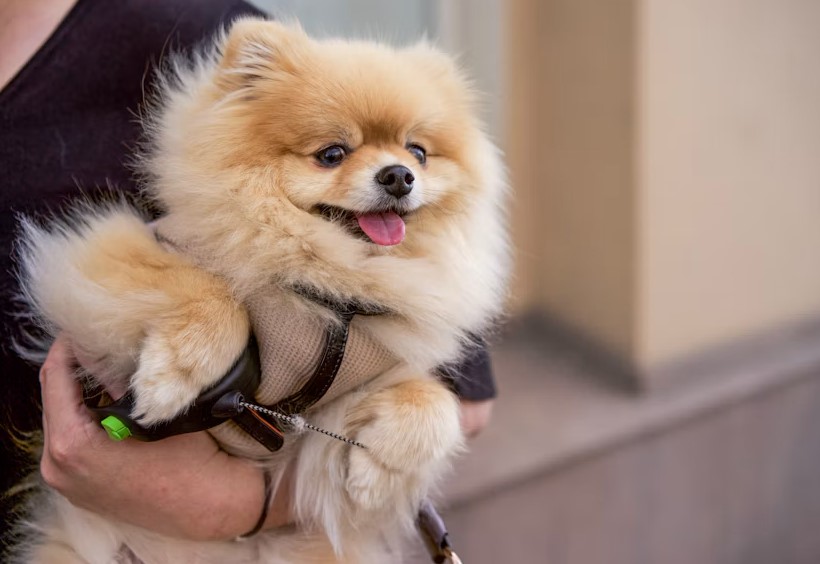
The Pomeranian is a tiny descendant of larger Arctic spitz dogs, with a lion-like ruff, plumed tail, and fox-like face. Poms are bold, lively, and alert, with a big voice for their size.
Care notes: The double coat needs brushing several times a week and sheds seasonally. Poms are prone to dental disease, patellar luxation, tracheal collapse, and a coat condition sometimes called “black skin disease” in some lines. Use a harness, not a collar. They can be noisy and may need barking training.
Bichon Frise
Weight: 12 to 18 pounds. Lifespan: About 12 to 15 years.
With a powder-puff coat of white curls and a cheerful, bouncy personality, the Bichon is a classic fluffy companion. It is playful, affectionate, and generally good with children and other pets.
Care notes: The coat needs daily brushing and professional grooming every four to six weeks to prevent mats. Bichons shed lightly, though no dog is truly hypoallergenic. Watch for allergies, dental disease, bladder stones, and tear staining.
Maltese
Weight: 4 to 7 pounds. Lifespan: About 12 to 15 years.
The Maltese has a floor-length, silky white coat and a gentle, spirited temperament. It is a devoted lap dog that thrives on attention.
Care notes: Daily brushing is needed for a long coat, though many owners keep it in a shorter “puppy cut.” Tear staining, dental problems, and a fragile build are common concerns.
Shih Tzu
Weight: 9 to 16 pounds. Lifespan: About 10 to 16 years.
Bred as a palace companion in China, the Shih Tzu has a long, flowing double coat and a sweet, outgoing nature. They are affectionate, adaptable, and happy as lap dogs.
Care notes: Daily grooming or a short clip is necessary. As a flat-faced breed, the Shih Tzu can have breathing issues, eye problems, and heat sensitivity.
Havanese
Weight: 7 to 13 pounds. Lifespan: About 13 to 15 years.
The national dog of Cuba, the Havanese has a silky, wavy coat and a sunny, social personality. They are playful, clever, and often called velcro dogs.
Care notes: The coat needs frequent brushing. They do best with company, since many develop separation anxiety. Watch for eye, joint, and heart conditions.
Toy and Miniature Poodle
Weight: Toy 4 to 6 pounds, Miniature 10 to 15 pounds. Lifespan: About 12 to 16 years.
Poodles are among the most intelligent breeds, with dense, curly coats that shed lightly. They are athletic, eager to learn, and surprisingly sturdy.
Care notes: Professional grooming every four to six weeks and regular brushing are required. Health concerns include eye conditions, patellar luxation, and Addison’s disease.
Cavalier King Charles Spaniel
Weight: 13 to 18 pounds. Lifespan: About 9 to 14 years.
Cavaliers have silky, feathered coats, large dark eyes, and one of the sweetest temperaments in the dog world. They are gentle, affectionate, and good with families.
Care notes: Brush several times a week. The breed is prone to mitral valve disease, syringomyelia, and eye conditions, so choose breeders who screen carefully.
Papillon
Weight: 5 to 10 pounds. Lifespan: About 13 to 16 years.
Named for its butterfly-like ears, the Papillon has a fine, silky coat and is surprisingly athletic. They are clever, friendly, and excel at tricks and agility.
Care notes: The coat is relatively easy to maintain compared with other long-haired toys. Watch for patellar luxation and dental disease.
Lhasa Apso
Weight: 12 to 18 pounds. Lifespan: About 12 to 15 years.
A Tibetan monastery sentinel, the Lhasa Apso has a long, heavy coat and an independent, watchful temperament. They are loyal but can be aloof with strangers.
Care notes: Daily brushing or a short trim is needed. They may be stubborn in training and prone to eye and skin conditions.
Coton de Tulear
Weight: 8 to 15 pounds. Lifespan: About 14 to 16 years.
Named for its cotton-soft coat, the Coton comes from Madagascar. It is cheerful, affectionate, and playful, with a gentle nature.
Care notes: Brush several times a week. The breed is rare, so finding a responsible breeder may take time. It is generally healthy but can develop hip and eye issues.
Japanese Spitz
Weight: 10 to 25 pounds. Lifespan: About 10 to 16 years.
A bright white, cloud-like spitz with a friendly, alert temperament. They are clean dogs and affectionate with family.
Care notes: The double coat sheds seasonally but resists dirt, so baths are rarely needed. They can be vocal.
American Eskimo Dog (Miniature and Toy)
Weight: 6 to 20 pounds. Lifespan: About 13 to 15 years.
With a thick white coat and bright eyes, the Eskie is intelligent, energetic, and eager to please. Miniature and toy sizes are small and fluffy.
Care notes: The double coat sheds heavily twice a year. Eskies can be barky and need exercise and training.
Shetland Sheepdog (Small Herder)
Weight: 14 to 27 pounds. Lifespan: About 12 to 14 years.
Slightly larger than the other breeds here, the Sheltie has a luxurious double coat and is highly intelligent and sensitive. It is a herding dog that needs mental work.
Care notes: Brush several times a week, with extra care during heavy sheds. Watch for eye conditions, thyroid disease, and a tendency to bark.
Pekingese
Weight: Up to 14 pounds. Lifespan: About 12 to 14 years.
An ancient Chinese palace dog with a long double coat and a dignified, sometimes stubborn temperament. Loyal and brave, though reserved with strangers.
Care notes: Daily grooming and attention to wrinkles and eyes. As a flat-faced breed, it has breathing and heat concerns.
Yorkshire Terrier
Weight: 4 to 7 pounds. Lifespan: About 11 to 15 years.
Yorkies have long, silky, steel-blue and tan coats and a feisty terrier spirit. They are bold, affectionate, and loud.
Care notes: Daily brushing or a short cut. Dental disease, patellar luxation, tracheal collapse, and portosystemic shunt occur in the breed.
Miniature Schnauzer
Weight: 11 to 20 pounds. Lifespan: About 12 to 15 years.
Wiry, bearded, and robust, the Miniature Schnauzer is friendly, alert, and trainable. Its coat is less soft but still fluffy-looking when kept long.
Care notes: The coat needs professional grooming. Watch for pancreatitis, urinary stones, and eye conditions.
Mixed Breeds and Doodles
Many small fluffy dogs are crosses, including Maltipoos, Cavapoos, Shih-poos, Yorkipoos, and Pomchis. They can make charming pets, but coat, size, and temperament are less predictable, and “non-shedding” or “hypoallergenic” claims should be treated with caution. Shelters also have plenty of small fluffy mixes needing homes.
Temperament Types Among Small Fluffy Dogs
Gentle Lap Companions
Maltese, Cavalier King Charles Spaniels, Havanese, and Shih Tzus are happiest close to their people and generally easygoing.
Bold and Feisty
Pomeranians, Yorkshire Terriers, and Miniature Schnauzers have big personalities and may need firm training to prevent barking and snapping.
Smart and Active
Poodles, Papillons, Shelties, and American Eskimo Dogs are intelligent and need mental challenges as well as exercise.
Independent and Dignified
Lhasa Apsos and Pekingese are loyal but less eager to please, and often more reserved.
Playful and Cheerful
Bichons and Cotons are bouncy, affectionate, and well suited to families.
Grooming: The Real Cost of Fluff
A fluffy coat is beautiful, but it is work. Understanding the commitment before you choose is one of the best ways to avoid heartbreak.
Brushing
- Long, silky coats (Maltese, Yorkie, Shih Tzu): daily brushing with a pin brush and comb
- Curly coats (Bichon, Poodle): brush several times a week down to the skin, since surface brushing hides mats
- Double coats (Pomeranian, Eskie, Sheltie): brush two to three times a week, more during seasonal sheds
Mats
Mats form behind the ears, under the legs, around the collar and harness, and on the belly. They pull on skin, trap moisture, and can hide infections. Severely matted dogs often need to be shaved, which can be stressful and uncomfortable.
Professional Grooming
Many breeds need professional grooming every four to eight weeks. A shorter “puppy cut” or “teddy bear cut” reduces upkeep considerably. Budget for grooming as a regular expense.
Bathing
Bathe every three to six weeks with a gentle dog shampoo, brushing first, since water tightens mats. Dry thoroughly. Double-coated breeds need fewer baths.
Eyes, Ears, and Face
- Wipe tear stains gently with a damp cloth or vet-approved wipe
- Trim hair around the eyes so it does not irritate
- Check ears weekly for redness, odor, or discharge, and clean with a vet-approved solution
- Dogs with hairy ear canals may need ear hair removal by a groomer
Teeth and Nails
Dental disease is very common in small dogs. Brush daily if possible and schedule professional cleanings as your vet advises. Trim nails every few weeks.
Shedding and Allergies
Some fluffy breeds shed lightly, but none are guaranteed hypoallergenic. Allergies are triggered mostly by proteins in saliva and dander, not just hair. If you have allergies, spend time with the specific dog before committing.
Health Concerns in Small Fluffy Breeds
Small dogs often live long lives, but they share several common health problems.
Dental Disease
Small mouths crowd teeth, encouraging tartar and gum disease. Regular brushing and veterinary cleanings protect both teeth and overall health.
Patellar Luxation
The kneecap slips out of place, causing skipping or limping. Mild cases may need monitoring only, and severe cases may need surgery.
Collapsing Trachea
The windpipe weakens and flattens, causing a honking cough. Use a harness instead of a collar, and keep your dog lean.
Heart Disease
Mitral valve disease is common in small breeds, especially Cavaliers. Regular exams help catch murmurs early.
Eye Problems
Tear staining, dry eye, cataracts, and progressive retinal atrophy occur in several breeds. Flat-faced breeds have prominent eyes that are prone to injury.
Skin and Allergies
Many fluffy dogs have sensitive skin, and allergies can cause itching, ear infections, and paw licking.
Breathing Problems in Flat-Faced Breeds
Shih Tzus, Pekingese, and similar breeds can have obstructive airway issues and struggle in heat.
Hypoglycemia
Very small puppies, especially toy breeds, can develop low blood sugar. Feed small, frequent meals and seek veterinary help for weakness or tremors.
Obesity
Even a pound or two of extra weight is significant in a small dog and strains joints, heart, and trachea.
Preventive Care
- Vaccinations on your vet’s schedule
- Flea, tick, and heartworm prevention
- Annual exams, and twice yearly for seniors
- Dental care
- Weight management
- Microchipping
- Pet insurance or an emergency fund
Feeding Small Fluffy Dogs
Choose a Quality Small-Breed Food
Small-breed formulas have calorie-dense, appropriately sized kibble. Choose a complete and balanced food suited to age and activity.
Portions
Measure meals. Toy breeds may need three or four small meals as puppies and two as adults. Count treats toward daily calories, and avoid table scraps.
Toxic Foods
Chocolate, grapes, raisins, onions, garlic, xylitol, macadamia nuts, and alcohol are dangerous, particularly in tiny bodies where small amounts matter.
Water
Provide fresh water at all times.
Training and Socialization
Small Dogs Need Training Too
Small size is not an excuse for skipping manners. Dogs allowed to growl, snap, or bark constantly because they are small often become anxious and hard to live with.
What Works
- Reward-based training with tiny treats, praise, and play
- Short sessions of five to ten minutes
- Consistent rules for everyone in the household
- Early socialization to people, dogs, sounds, and surfaces
- A harness for walking, to protect the neck and trachea
Common Challenges
House training. Tiny bladders and dislike of cold or rain make it slow for many toy breeds. Use a strict schedule, reward immediately, and never punish accidents.
Barking. Many small fluffy dogs are alert and vocal. Teach a quiet cue, reduce triggers, and provide exercise.
Separation anxiety. Companion breeds bond closely. Build alone time gradually and provide enrichment.
Fear and snapping. Usually the result of poor socialization or rough handling. Gentle, positive experiences prevent most problems.
Exercise Needs
Most small fluffy dogs need less exercise than large breeds, but they still need daily activity.
- Daily walks: Two short walks totaling 20 to 40 minutes for most breeds
- Active breeds: Poodles, Papillons, Shelties, and Eskies need more, with training and games
- Indoor play: Fetch, tug, and hide-and-seek
- Mental games: Puzzle feeders and trick training
Protect small dogs from extreme weather. Thick coats can overheat in heat, and thin-coated or tiny dogs get cold quickly. Flat-faced breeds need extra care in warm weather.
Living With Children and Other Pets
Small fluffy dogs look like toys, but they are fragile. Supervise young children, and teach them to sit on the floor when holding a dog, avoid pulling hair or ears, and respect the dog’s space. Many small dogs do better with older, gentle children.
Most get along with other dogs and cats when introduced carefully. Avoid rough play with large dogs, which can injure a small one.
Choosing the Right Breed
Ask yourself:
- How much grooming time and money can I commit?
- How active am I?
- Will the dog be alone for long periods?
- Do I have children, other pets, or allergies?
- How much barking can I tolerate?
- Do I want a calm lap dog or a lively, trainable partner?
- Can I afford breed-specific veterinary care?
Quick Matches
- Minimal grooming effort: Papillon, Japanese Spitz, or any breed in a short clip
- Calm lap dog: Cavalier, Maltese, Havanese, Shih Tzu
- Active and trainable: Poodle, Papillon, Sheltie
- Great with families: Bichon, Cavalier, Coton, Havanese
- Watchful companion: Pomeranian, Lhasa Apso, Yorkie
- Hot climates: Choose carefully, and avoid flat-faced breeds
Finding a Small Fluffy Dog
Responsible Breeders
A good breeder will:
- Health-test breeding dogs and share results, including heart, eye, knee, and breed-specific tests
- Raise puppies in a clean, social home
- Let you meet the mother and see living conditions
- Keep puppies until at least eight weeks, and longer for tiny breeds
- Provide vaccination records, a written contract, and a health guarantee
- Ask you detailed questions about your home and experience
- Take the dog back if you cannot keep it
Red Flags
- “Teacup,” “micro,” or “pocket” marketing with premium prices
- Puppies sold under eight weeks old
- No health testing or refusal to show parents
- Several breeds available at once
- Pressure to pay quickly or refusal to allow visits
- Guarantees of non-shedding coats
- Unusually low prices
Rescue and Adoption
Small fluffy dogs are common in shelters and breed-specific rescues, often surrendered because of grooming costs or behavior problems. Adoption fees are usually lower, and an adult lets you see the real coat, size, and temperament. Many arrive already vaccinated, house trained, and neutered.
Costs
Purebred puppies commonly cost from several hundred to a few thousand dollars, depending on breed and region. Remember ongoing costs: food, grooming, dental care, veterinary visits, insurance, training, and boarding.
Common Mistakes New Owners Make
- Underestimating grooming. Mats and professional costs surprise many people.
- Buying a “teacup.” Extreme smallness is linked to serious health risks.
- Skipping training because the dog is small. Bad habits are just as hard to fix.
- Using a collar for walks. Harnesses protect delicate necks.
- Neglecting dental care. Dental disease is common and affects overall health.
- Overfeeding. A few extra treats matter more in a tiny dog.
- Ignoring temperature. Thick coats and flat faces overheat, and tiny dogs chill.
- Allowing rough handling. Children and large dogs can injure small dogs.
- Believing hypoallergenic claims. No breed is guaranteed.
- Leaving the dog alone too long. Companion breeds struggle with isolation.
Frequently Asked Questions
1. What is the fluffiest small dog breed?
Pomeranians, Bichon Frises, American Eskimo Dogs, Japanese Spitz, and Cotons de Tulear are among the fluffiest, with thick, cloud-like coats. Individual grooming and coat length also affect how fluffy a dog looks.
2. Which small fluffy dog is best for first-time owners?
Cavalier King Charles Spaniels, Havanese, Bichons, and Cotons are often recommended for their friendly, adaptable natures. First-time owners should also be prepared for grooming and consistent training.
3. Which small fluffy dogs shed the least?
Poodles, Bichons, Maltese, Havanese, and Cotons shed lightly, though they need regular grooming. No dog is truly non-shedding or hypoallergenic.
4. Are small fluffy dogs high maintenance?
Many are, mainly because of grooming. Daily brushing, professional grooming every few weeks, dental care, and attention to eyes and ears all take time and money.
5. How long do small fluffy dogs live?
Many live 12 to 16 years or more, longer than most large breeds. Dental care, weight control, and regular veterinary visits support longevity.
6. Are small fluffy dogs good with children?
Many are, but they are fragile. Supervise young children, teach gentle handling, and choose a sociable breed such as a Cavalier, Bichon, or Havanese.
7. Do small fluffy dogs bark a lot?
Some do. Pomeranians, Yorkies, and American Eskimo Dogs are known for being vocal. Training, exercise, and enrichment help, but choose a calmer breed if noise is a concern.
8. Can small fluffy dogs live in apartments?
Yes, many adapt well, provided they get daily walks, mental stimulation, and company. Barking may matter with close neighbors.
9. How often should I groom a small fluffy dog?
Brush several times a week to daily, depending on the coat, and schedule professional grooming every four to eight weeks. A shorter cut reduces upkeep.
10. Are teacup dogs real?
“Teacup” is a marketing term, not a recognized size. Extremely tiny dogs often face serious health problems, so choose a breeder who prioritizes health.
11. Are mixed-breed fluffy dogs healthy?
They can be, but mixes can inherit problems from either parent, and coat and size are less predictable. Health testing of the parents and a responsible source matter most.
12. How much do small fluffy dogs cost?
Prices vary widely by breed, breeder, and region. Adoption is usually cheaper. Budget for grooming, dental care, and veterinary costs on top of the purchase price.
Conclusion
Small fluffy dogs bring warmth, humor, and affection into homes of every size. From the lion-maned Pomeranian and cloud-like Bichon to the silky Maltese, gentle Cavalier, and clever Poodle, there is a breed to suit nearly every personality and lifestyle. Their long lives and loyal natures make them wonderful companions for many years.
But the fluff is a commitment. Coats need frequent brushing and professional grooming, small mouths need constant dental care, and tiny bodies need protection from falls, cold, heat, and rough handling. Temperaments range from calm and cuddly to bold and barky, so matching the breed to your household matters more than choosing by looks.
Choose a breed that fits your time, budget, and energy. Buy only from breeders who health-test and reject “teacup” marketing, or consider adopting one of the many small fluffy dogs waiting in shelters. Train kindly, socialize early, and keep up with grooming and veterinary care. Do that, and your small fluffy companion will reward you with years of snuggles, tail wags, and a soft, warm presence that makes every home feel a little more like home.