Ugly Dogs We Can’t Help Loving: A Celebration of the World’s Most Unconventional Canines
Wrinkles, wisps, underbites and all — why the dogs the internet calls “ugly” often turn out to be the best companions you’ll ever meet.
Introduction: Beauty Is in the Eye of the Dog Lover
Every dog lover knows the moment. You’re scrolling through an adoption page, a breeder’s photo gallery or just the park on a Saturday morning, and you spot a face that makes you stop. The head is a little too big, or the legs a little too short. The tongue hangs out sideways because there’s simply no room for it anywhere else. The coat is a tragic comb-over, or missing altogether. Your first thought might be, “Well, that’s an unusual-looking dog.” Your second, a few seconds later, is usually, “Oh, I love him.”
That reaction is exactly what this article is about. “Ugly dogs” is a phrase that appears in countless search queries, memes and, yes, an annual competition in California, but almost nobody who uses it means it cruelly. It’s shorthand for dogs who break the mold of the glossy, symmetrical, golden-retriever-in-a-sunbeam ideal. They are the wrinkled, the wiry, the hairless, the drooly, the lopsided and the gloriously odd. And for many people, they are more lovable precisely because of it.
In this guide we’ll look at what makes a dog get labeled “ugly” in the first place, why our brains are wired to fall for faces that aren’t conventionally pretty, and ten breeds that are famous for their unconventional looks. We’ll also take an honest look at the health side of the story, because some of the features that make these dogs distinctive can come with real medical needs. Finally, we’ll cover how to adopt and care for an unconventional-looking dog, answer the most common questions, and wrap up with the one lesson every ugly-dog owner already knows: looks fade into the background almost immediately, and personality is what stays.
What Makes a Dog “Ugly” Anyway?
Before we go further, it helps to be honest about the word. “Ugly” is subjective, and when dog lovers use it, they tend to mean one or more of the following traits.
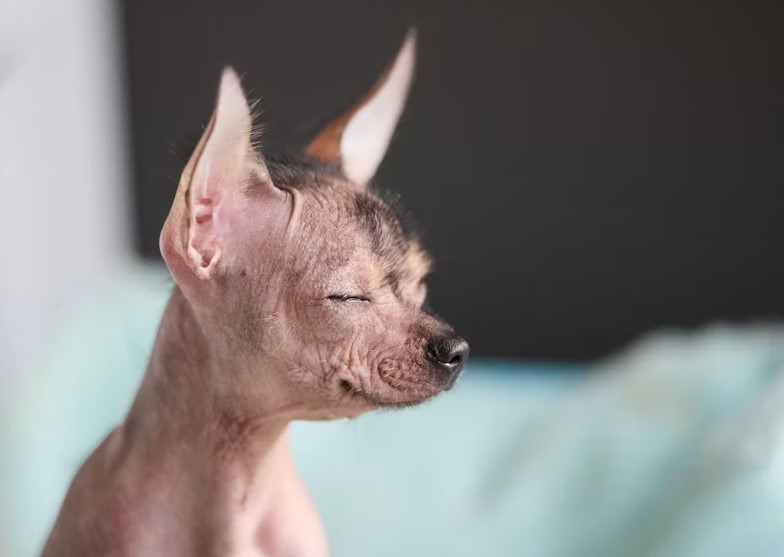
Hairlessness or patchy coats. Dogs with little or no hair, or with wild tufts in odd places, look dramatically different from the fluffy norm. Hairlessness in dogs is the result of a genetic mutation, and it has been deliberately preserved in a few breeds for centuries.
Extreme wrinkles and skin folds. Some breeds carry far more skin than their bodies need. The result is a permanently worried, melting look that people either adore or find startling.
Flat faces and underbites. Short-muzzled, or brachycephalic, breeds often have pushed-in noses, bulging eyes and lower jaws that stick out past the upper. Their faces look more like ours, which is part of their appeal.
Unusual proportions. Very large heads on small bodies, very long backs on very short legs, ears that drag on the ground — proportions that seem designed by a committee with a sense of humor.
Mismatched or missing teeth, lolling tongues and drool. Small imperfections that add up to enormous character.
Mixed-breed surprises. Some of the most celebrated “ugly” dogs are mixes whose features don’t follow any breed standard at all. Their charm is that they look like nobody else.
Notice that every item on this list is about appearance, not temperament. That’s the first clue that “ugly” is a surprisingly poor predictor of whether a dog will be a good friend.
The Science of Cute (and Why Ugly Works Too)
In the 1940s, the Austrian zoologist Konrad Lorenz described what he called the “baby schema,” a set of features such as a large head, big forehead, large eyes and a small nose and mouth that tend to trigger caregiving instincts in humans. It’s the reason puppies, kittens and human infants all seem irresistible. Plenty of popular dog breeds lean into the baby schema, and some of the “ugly” breeds do too: a Pug’s big round head and wide-set eyes, a Brussels Griffon’s human-like little face, a Bulldog’s squashed profile.
But baby schema doesn’t explain everything. Many unconventional dogs win us over by other routes.
Novelty and distinctiveness. Our brains notice the unusual. A dog who looks different is remembered, and being remembered is the first step toward being loved.
Expressiveness. Wrinkled brows and mobile faces make it easy to read emotion, or at least to imagine we can. A Shar-Pei’s furrowed forehead can look like deep thought. A Neapolitan Mastiff’s droopy eyes can look like gentle sorrow.
The underdog effect. Humans have a soft spot for anyone who seems disadvantaged. An ungainly dog, particularly one who has clearly been through some hard times, brings out our protective side.
Familiarity breeds affection. Psychologists have long observed the “mere exposure effect,” the tendency to like things more the more often we encounter them. Live with a dog for a week and the features you first found odd become, in your mind, simply the way your dog looks. Within a month, they’re the features you’d pick out of a lineup of a thousand dogs.
That last point is worth sitting with. Almost every owner of an “ugly” dog will tell you that they stopped seeing the ugliness almost immediately. What replaced it was a particular face attached to a particular set of habits, quirks and loyalties, and that is what love is made of.
10 Famously “Ugly” Dog Breeds (and Why They’re Wonderful)
The following breeds regularly appear on lists of the world’s most unconventional-looking dogs. For each one, we’ll cover the look, the personality and a few things to know before you bring one home. Remember that individual dogs vary, and these are general tendencies rather than guarantees.
1. Chinese Crested
If there is a royal family of ugly dogs, the Chinese Crested sits on the throne. The breed comes in two varieties that can appear in the same litter: the Hairless, which has soft skin with tufts of long hair on the head (the crest), feet (the socks) and tail (the plume), and the Powderpuff, which is covered in a soft, silky coat. The Hairless variety has won the World’s Ugliest Dog Contest so many times that the breed has practically become the competition’s mascot. The most famous champion was Sam, who took the title three years running from 2003 to 2005.
Despite the dramatic appearance, Chinese Cresteds are small, affectionate, playful dogs who adore their people and often follow them from room to room. They’re graceful little clowns who love to cuddle and, in many cases, to climb onto the back of the couch to survey their kingdom.
Things to know: Hairless dogs need skin care. That means sunscreen for time outdoors, moisturizer to prevent dryness, and sweaters when the weather turns cold. Some are prone to dental problems, so regular tooth care matters.
2. Xoloitzcuintli (Mexican Hairless Dog)
Say it like this: “show-low-eats-QUEENT-lee.” Often shortened to Xolo, this ancient breed has been part of Mesoamerican life for thousands of years and is considered a national symbol of Mexico. The Aztecs associated the dogs with the god Xolotl and believed they guided souls through the underworld. Today, the breed has enjoyed a wave of new fans thanks to its role as the inspiration for the dog in the animated film Coco.
Xolos come in three sizes (toy, miniature and standard) and two coat types, hairless and coated. The hairless dogs have smooth, tough skin in shades of gray, bronze and black, and a lean, elegant build. Some people call them ugly; others call them sculptural.
Temperamentally, Xolos are calm, loyal, intelligent and often a bit reserved with strangers. They bond closely with their families and tend to make superb watchdogs.
Things to know: Like other hairless breeds, they need sun protection and skin care, and they can be missing some teeth because the gene for hairlessness is linked to dental differences. Many people with allergies find hairless breeds easier to live with, though no dog is truly allergen-free.
3. Neapolitan Mastiff
Imagine a dog designed to be both a guardian and a living piece of drapery. The Neapolitan Mastiff has loose, wrinkled skin, a massive head, dangling jowls and a rolling, heavy gait. The look is so striking that the breed was cast to play Fang, Hagrid’s loyal-but-cowardly companion in the Harry Potter films.
Behind the imposing appearance lies a temperament that’s typically calm, devoted and surprisingly gentle with family. These are guardians by nature, so they’re watchful with strangers, but at home they’re often couch-loving giants.
Things to know: Be prepared for drool, and plenty of it. The skin folds need regular cleaning to prevent irritation and infection. This is a giant breed, which means higher food costs, a shorter average lifespan than smaller dogs and the need for careful attention to joint and heart health. Early socialization and training are important.
4. Pug
Pugs are so beloved that it can be hard to remember they appear on many “ugly dog” lists. The squished face, bulging eyes, deep wrinkles and curly tail give them an appearance that is utterly unmistakable. The breed is ancient, with a history that stretches back to the courts of China, and its motto has long been summed up in the Latin phrase multum in parvo, “a lot in a little.”
A Pug’s personality fits the motto. They’re charming, mischievous, people-oriented dogs who live for attention and snacks, usually in that order. They’re small enough for apartments and sturdy enough for children who know how to be gentle.
Things to know: Pugs are a brachycephalic breed, which means their shortened skull structure can lead to breathing difficulties, a condition veterinarians call brachycephalic obstructive airway syndrome. They overheat easily and should not be exercised hard in warm weather. Their eyes are prominent and prone to injury, their facial wrinkles need cleaning, and they gain weight readily, so portion control is essential.
5. Chinese Shar-Pei
The Shar-Pei’s name is often translated as “sand skin,” a reference to the rough, bristly feel of its short coat. Its most noticeable feature is the deep wrinkling, particularly in puppies, who look like they’re wearing a suit three sizes too big. The breed also has a distinctive “hippopotamus” muzzle and a blue-black tongue.
The Shar-Pei has an interesting history. It was once a farm dog in southern China, and by the 1970s the breed had become so rare that it attracted a major rescue effort in the United States. Today the dogs are popular, though still unusual.
Temperamentally, Shar-Peis are loyal, independent and often reserved. They are typically clean, quiet and devoted to their families, but they can be wary of strangers and other dogs.
Things to know: The wrinkles and the tiny ear canals require regular attention to avoid skin and ear infections. The breed is associated with a condition known as Shar-Pei fever and with certain skin and eye problems, so choosing a breeder who health-tests is critical. Early socialization is a must.
6. Brussels Griffon
If you’ve ever met a dog with a face like a grumpy little old man, you may have met a Brussels Griffon. These small dogs have large, dark eyes, a pushed-in nose, a prominent chin and a bristly beard that gives them a wise, wry, slightly cranky expression. A Griffon was famously featured in the film As Good as It Gets, and many fans of the breed compare the look to an Ewok from Star Wars.
Griffons are intensely bonded with their owners. They’re sensitive, curious and a little theatrical, and they tend to attach themselves to one person especially. They’re not usually happy being left alone for long stretches.
Things to know: Their short muzzles can cause breathing issues in hot weather, and their large eyes are vulnerable to injury. The rough-coated variety needs regular grooming, often with hand-stripping, while the smooth-coated Brussels Griffon (sometimes called the Petit Brabançon) is easier to maintain.
7. Bulldog
The English Bulldog may be the best example of a breed whose look has become an icon. The wide shoulders, wrinkled face, underbite, rolling walk and permanently determined expression are instantly recognizable. Bulldogs have been used as mascots by sports teams and military units for generations.
Despite their tough looks, Bulldogs are among the gentlest and most laid-back companions you can find. They’re affectionate, patient and quite happy to spend most of the day snoring beside you. They do have a stubborn streak, so training works best when it’s patient and rewarding.
Things to know: The Bulldog is one of the breeds most affected by the health issues linked to extreme conformation. Breathing problems, heat sensitivity, skin fold infections, dental crowding and joint issues are common concerns, and many Bulldogs are born by cesarean section because of their large heads. If you’re considering a Bulldog, work with a breeder who prioritizes health and moderate, functional conformation, or consider adoption through a breed rescue.
8. Bull Terrier
The Bull Terrier has what is arguably the most unusual head shape in the dog world: long, smooth, downward-curving and shaped like an egg. Add small, triangular, deep-set eyes and a muscular body, and you have a dog that looks like nothing else. Some find the appearance comical. Others find it fierce. Most end up simply finding it charming.
Bull Terriers are clowns at heart. They’re playful, mischievous, affectionate and full of energy, and they often want to be in the middle of whatever you’re doing. They can also be stubborn and strong, so consistent training and plenty of exercise are important.
Things to know: Bull Terriers need early socialization, especially with other dogs. White Bull Terriers can be prone to deafness and skin issues. They can also develop a compulsive behavior known as tail chasing if they don’t get enough mental and physical stimulation.
9. Komondor
Is it a dog, a mop or a very ambitious floor rug? The Komondor, a Hungarian livestock guardian, is famous for its long, white, corded coat that forms thick, rope-like locks. Puppies are born with fluffy coats that begin to cord at around a year of age, and adult dogs can look like they’ve been dipped in felt.
The look is not what the breed was designed for in the abstract. The cords originally protected the dog from harsh weather and from the bites of predators when guarding sheep. These are serious working dogs: courageous, independent, protective and intensely loyal to their families.
Things to know: The coat takes real commitment. Cords must be separated by hand as they form, and the dog must be thoroughly dried after bathing, which can take a long time. Komondors need space, training and an experienced owner who understands guardian breeds.
10. Peruvian Inca Orchid
Another ancient hairless breed, the Peruvian Inca Orchid (also called the Peruvian Hairless Dog) has a long history in Peru, where depictions of similar dogs appear in pre-Columbian pottery. The dogs are slender and elegant, with big upright ears and a smooth, warm, usually dark skin. Like other hairless breeds, some individuals have a bit of hair on the head and tail.
They are intelligent, loyal, alert and often reserved with strangers, and they tend to form tight bonds with their people. Many owners describe them as part dog, part cat, thanks to their love of warm laps and sunny windowsills.
Things to know: Skin care is a must, including sunscreen in summer and coats in winter. They’re sensitive to temperature extremes, and they may be missing some teeth. They’re also relatively rare, so finding a responsible breeder may take patience.
The World’s Ugliest Dog Contest: Celebration, Not Mockery
No article about ugly dogs would be complete without mentioning the World’s Ugliest Dog Contest, held for decades at the Sonoma-Marin Fair in Petaluma, California. The competition began in the 1970s and has become a quirky tradition that draws entrants and spectators from across the country.
It may sound unkind on the surface, but the spirit of the event is the opposite. Many winners have been rescue dogs, often older or with unusual medical histories, and the contest has become a high-profile way to show that every dog deserves a loving home regardless of how it looks. Winners typically receive a prize, plenty of media attention and, perhaps most importantly, a chance to encourage adoption.
Owners who enter their dogs often describe the experience as joyful. They’re proud of their dogs’ quirks, and they treat the stage as a place to show that “ugly” and “adored” can be the same word. If you’ve ever watched a winner trot across the stage in a tiny outfit, tongue out and tail wagging, you know that the dog is having a better time than anyone in the audience.
The Health Side of the Story: When “Ugly” Is More Than Skin Deep
It would be dishonest to celebrate unconventional looks without talking about health. Some features that people find endearing, such as very flat faces, extreme wrinkles and very short legs on long backs, are linked to medical problems. The reason is straightforward: these features are often exaggerations of traits that were selected by breeders over many generations, and the exaggeration can outpace what a dog’s body can comfortably handle.
Breathing. Flat-faced breeds can struggle to move air through their shortened airways. Signs include loud snoring, noisy breathing, difficulty exercising and trouble in heat. Some dogs need surgery to widen narrowed nostrils or shorten an elongated soft palate.
Skin and ears. Wrinkles trap moisture and bacteria. Without regular cleaning and drying, folds can become red, itchy and infected. Narrow ear canals, as in the Shar-Pei, are also prone to infection.
Eyes. Prominent eyes, as in Pugs and Griffons, are more exposed and more easily scratched. Dogs with loose facial skin can also develop eyelid problems that require veterinary care.
Teeth. Hairless breeds can be missing teeth, and short-muzzled breeds can have crowded teeth. Both situations make dental hygiene a priority.
Skin sensitivity. Hairless dogs lack the protective coat that most dogs have, so they’re more vulnerable to sunburn, scrapes, acne and temperature swings.
What Responsible Ownership Looks Like
The goal isn’t to scare anyone away from these breeds. It’s to encourage informed, responsible choices. If you’re drawn to an unconventional-looking dog, consider the following.
- Choose health over extremes. Look for breeders who health-test their dogs and who breed for moderate features, such as a bit more muzzle and a bit less wrinkle, rather than the most exaggerated look.
- Ask questions. A good breeder will happily discuss health screening, genetic testing and the problems that affect their breed.
- Consider adoption. Breed-specific rescues and shelters are full of wonderful dogs, including purebreds and mixes with unusual looks.
- Budget for veterinary care. Pet insurance or an emergency fund can make a major difference with breeds prone to specific conditions.
- Keep your dog at a healthy weight. Extra weight makes breathing and joint problems worse in nearly every breed.
How to Adopt an Unconventional-Looking Dog
If you’d like to bring home a dog that most people would call ugly, you may be pleasantly surprised by how many are waiting for you. Shelters often report that dogs with unusual looks, missing limbs, old age or visible scars stay longer than conventionally attractive dogs. Choosing one of them can change a life.
Start with your lifestyle. Think about your living space, your activity level, your schedule and your experience. A Bulldog and a Bull Terrier may both be “ugly,” but they need very different homes.
Meet the dog in person. Photos can only tell you so much. Spend time with the dog and ask staff or foster parents about energy level, behavior with other animals and any known medical issues.
Look beyond the label. Shelter listings may describe a dog as a “terrier mix” or “hound mix” based on guesswork. Focus on the individual dog’s personality and needs.
Ask about medical history. Particularly with senior dogs or those from difficult backgrounds, understand what conditions you might be taking on and what ongoing care they’ll need.
Be patient. Rescue dogs often need a few weeks to settle in. Give them routine, kindness and time, and many will blossom into the best companions you’ve ever known.
Everyday Care Tips for Unconventional Dogs
Whatever your dog’s features, a few practical habits help keep them comfortable and healthy.
Clean skin folds regularly. For wrinkly breeds, use a soft, damp cloth or veterinarian-recommended wipes, then dry the folds thoroughly. Moisture is the enemy.
Protect hairless skin. Use dog-safe sunscreen for time outdoors, ask your veterinarian about moisturizers, and dress your dog in a sweater or coat in cold weather.
Mind the temperature. Flat-faced dogs should avoid strenuous exercise in heat and humidity. Provide shade, fresh water and air conditioning when it’s hot.
Brush teeth. Dental disease is common in many unconventional breeds. Daily brushing, dental chews approved by your vet and regular dental checkups can prevent serious problems later.
Use a harness. For dogs with breathing problems or delicate necks, a well-fitted harness is usually safer than a collar.
Keep up with veterinary visits. Regular checkups can catch small issues before they become big ones. Tell your vet about any changes in breathing, skin, eyes or behavior.
Invest in training and socialization. Every dog benefits from positive training, and unusual-looking dogs often attract extra attention from strangers. A well-socialized dog is comfortable with being admired, poked and photographed.
Frequently Asked Questions About Ugly Dogs
What is considered the ugliest dog breed?
There is no official answer, because “ugly” is a matter of opinion. The breeds that appear most often on informal lists include the Chinese Crested, Xoloitzcuintli, Neapolitan Mastiff, Pug, Shar-Pei, Brussels Griffon, Bulldog, Bull Terrier, Komondor and Peruvian Inca Orchid. Mixed-breed dogs frequently win the World’s Ugliest Dog Contest, too.
Are ugly dogs healthy?
It depends on the individual dog and the breed. Some unconventional-looking dogs, such as the Xoloitzcuintli, are generally robust. Others, particularly flat-faced breeds and breeds with extreme wrinkles, are more prone to specific health problems. Choosing a responsible breeder or adopting from a reputable rescue, and scheduling regular veterinary care, will give your dog the best chance at a long, healthy life.
Is it rude to call a dog ugly?
It depends on the context. Among dog lovers, “ugly” is usually a term of endearment, and many owners of unconventional-looking dogs proudly use it themselves. Still, it’s a good idea to read the room. If someone is clearly sensitive about their dog, it’s kinder to say “unique” or “full of character.”
Do ugly dogs make good pets?
Absolutely. A dog’s appearance has very little to do with its ability to be a loving companion. Temperament, energy level, training and socialization matter far more. Many people find that unconventional-looking dogs are especially affectionate and entertaining.
Why do people find ugly dogs so appealing?
Several factors are at work. Unusual features are memorable, expressive faces are easy to connect with, and many people feel protective of dogs who seem like underdogs. Psychologists also note that we tend to grow fonder of anything we see often, which is why the “ugliness” fades quickly once you share a home with a dog.
Do hairless dogs need special care?
Yes. Hairless dogs are more vulnerable to sunburn, cold, scrapes and skin problems such as acne, so they need sunscreen, moisturizer and protective clothing in certain conditions. Regular bathing and skin checks are also helpful. Their care is manageable, but it does require attention and commitment.
Can I enter my dog in the World’s Ugliest Dog Contest?
The contest has its own rules, application process and entry requirements, which can change from year to year, so check the official event information from the Sonoma-Marin Fair before planning a trip. Many entrants are rescue dogs, and the event emphasizes celebrating dogs’ quirks and encouraging adoption.
Are mixed-breed dogs more likely to be ugly?
Not necessarily. Mixed-breed dogs can be stunning, quirky or anywhere in between. What’s true is that mixes can combine features in unexpected ways, which sometimes produces a one-of-a-kind look. Mixed breeds also tend to have a wider gene pool, which can reduce the risk of some inherited conditions, though it doesn’t eliminate them.
How can I help an unconventional-looking dog find a home?
Share adoption listings on social media, volunteer at local shelters, foster a dog while they wait for a permanent family, and donate to rescue organizations. Good photos and honest, warm descriptions can make a huge difference in helping a dog get noticed.
Conclusion: The Most Beautiful Thing About an Ugly Dog
It’s easy to understand why dogs with unusual looks attract so much attention. They’re memorable, expressive and endlessly photogenic in a way that perfect-looking dogs sometimes aren’t. But the real reason people fall for them has little to do with appearance at all.
A dog’s face is the first thing you notice and the last thing you think about once you know them. What stays with you is the way your Pug snorts happily when you walk in the door, the way your Chinese Crested curls into the crook of your arm, the way your Bulldog leans his whole heavy body against your legs as if to say, “You’re mine.” Those moments belong to dogs of every shape, size and degree of symmetry.
If you’re considering welcoming an unconventional-looking dog into your life, go in with open eyes and an open heart. Do your research, choose health and temperament over extremes, plan for any special care needs and be willing to see past the first impression. Better yet, visit your local shelter or rescue, where dozens of overlooked dogs with crooked teeth, scruffy coats and mismatched ears are waiting for someone to notice the personality underneath.
In the end, the so-called ugly dogs teach us the same lesson over and over again: beauty is a poor judge of love. The wrinkles, the wisps, the underbites and the lolling tongues are not flaws to be overcome. They’re the signatures of individual dogs who are, in their own wonderful way, perfect.
So here’s to the lopsided, the bald, the droopy and the dazzlingly odd. May they always find someone who sees exactly how beautiful they are.